
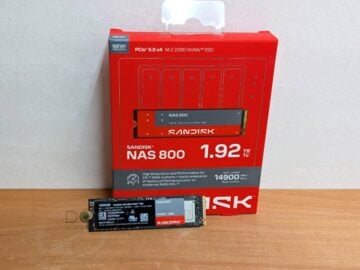
The SANDISK NAS 800, unveiled late last month as part of Sandisk’s new storage portfolio, is the first PCIe Gen 5 internal solid-state drive (SSD) purpose-built for network-attached storage (NAS) servers. It’s also currently the only one of its kind, as Seagate seems to have phased out its NAS SSDs.
Here’s the bottom line: While not the fastest among PCIe Gen 5 NVMe SSDs, the reliable SANDISK NAS 800 has one big selling point: Its ultra-high endurance. After that, its low power consumption (and heat generation) is a bonus.
If you need a robust SSD for your NAS server or PC and can stomach the current high costs driven by artificial intelligence‘s massive memory demands, consider the SANDISK NAS 800 today!
SANDISK NAS 800's Rating
Pros
High endurance
Excellent real-world PCIe Gen 5 performance with low heat
5-year warranty
Cons
Expensive
SANDISK NAS 800: Excellent for more than NAS servers
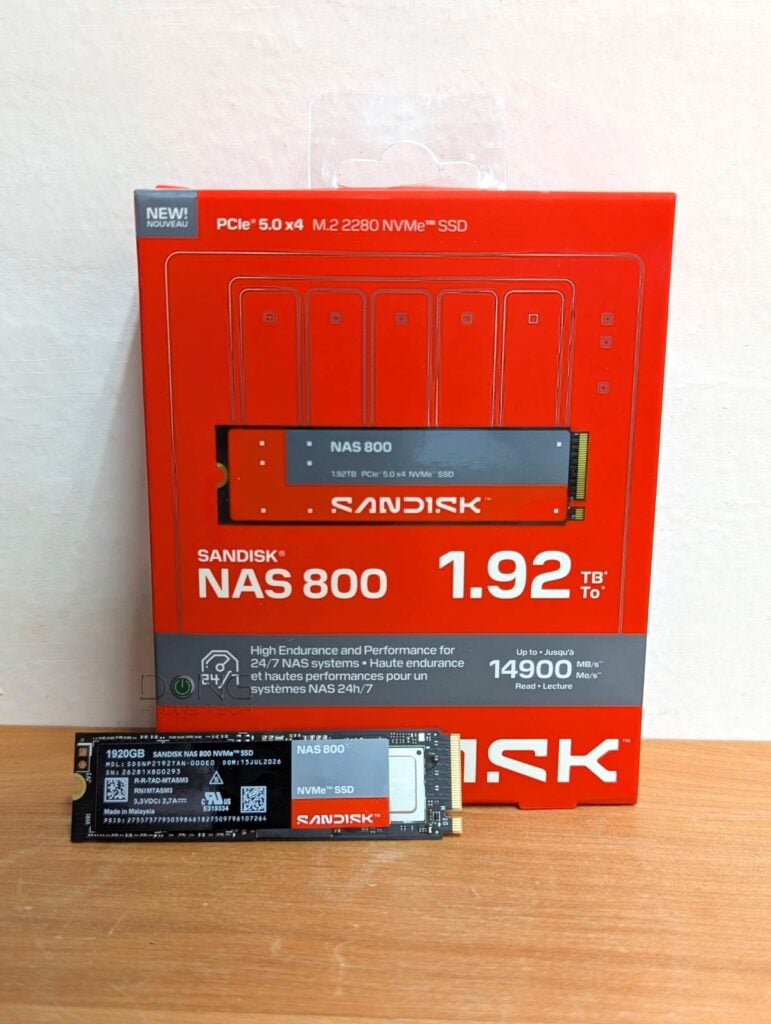
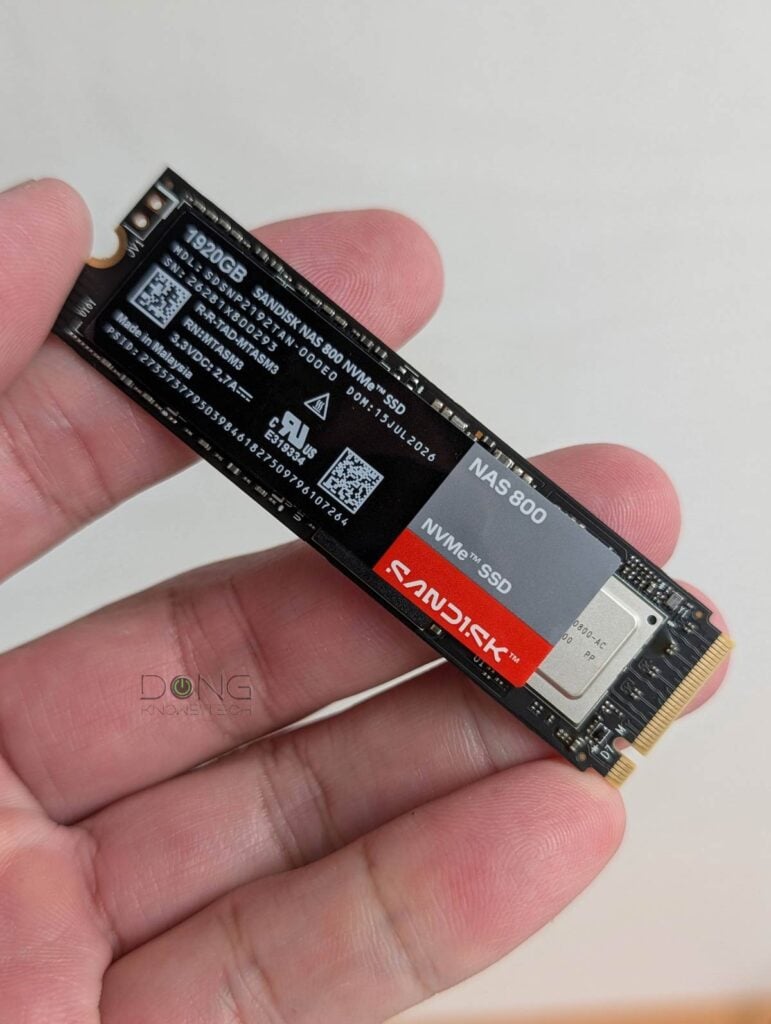
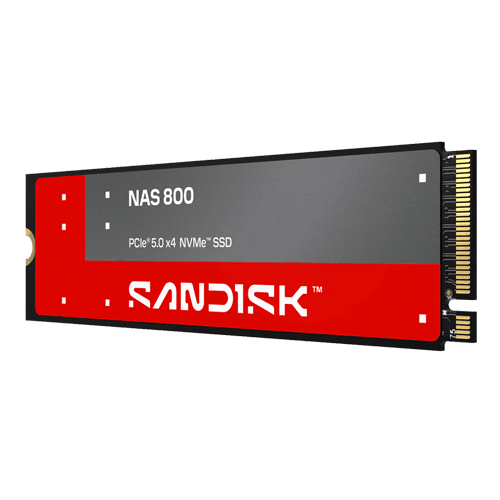
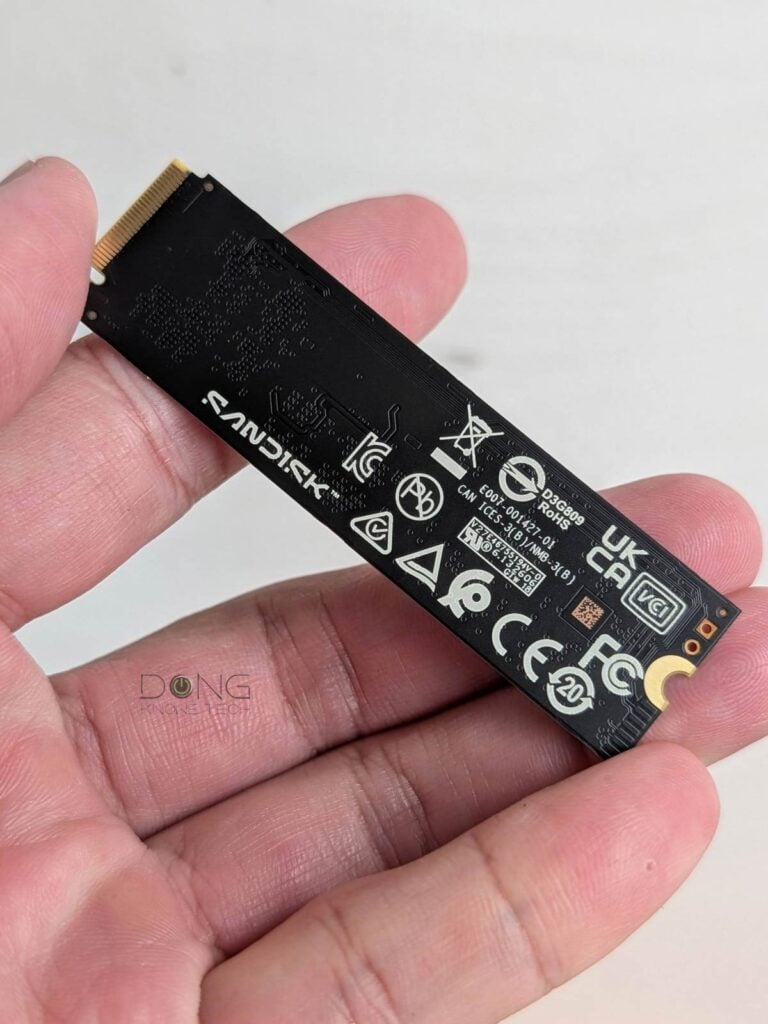
Out of the box, the SANDISK NAS 800 looks like a typical single-sided NVMe SSD. Unlike most other PCIe Gen 5 drives, it doesn’t come with a heatsink version. And there’s a reason for that: most servers don’t have room for a bulky drive and, most importantly, the new drive doesn’t need one, as, in my testing, it didn’t produce as much heat as drives of the same caliber.
Other than that, the new SSD comes in the popular 2280 M.2 design. While supporting the four-lane (4×4) PCIe Gen 5 standard, it’s backward compatible with PCIe Gen 4 and Gen 3—it’ll fit in any computer or server with an M-key M.2 slot.
As the name suggests, the SSD is designed for NAS servers. However, that only means it’s a “tougher” drive compared to general-purpose ones—it’s not meant to be server-exclusive.
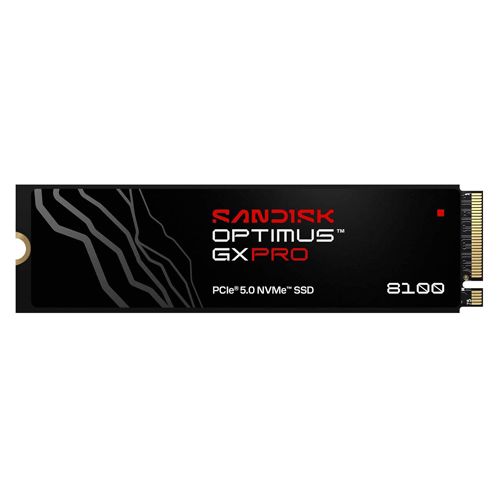
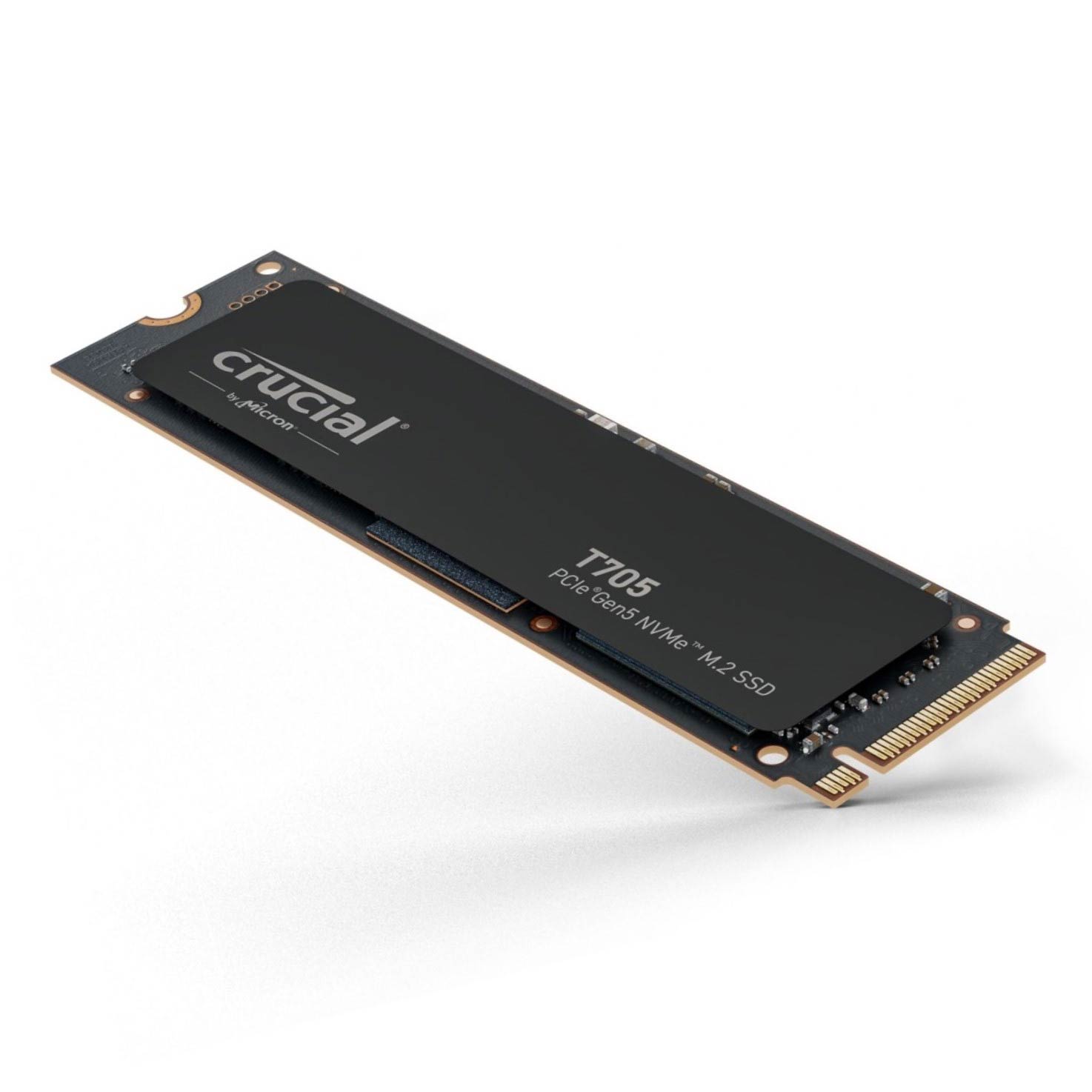
Indeed, per the hardware specs, it comes with extra high endurance and is designed to ffunction24/7. In terms of raw performance, it’s comparable to any other PCIe Gen 5 SSDs, such as the Micron Crucial T705 or Sandisk’s own SANDISK Optimus GX Pro 8100.
The table below compares the hardware specs of these three.
Hardware specifications
 |  |  | |
|---|---|---|---|
| SANDISK NAS 800 | SANDISK Optimus GX Pro 8100 | Micron Crucial T705 | |
| Capacities | 960GB, 1.92TB, 3.84TB, 7.68TB | 1TB, 2TB, 4TB, 8TB | 1TB, 2TB, 4TB |
| Heatsink Version | No | Yes | |
| Interface | PCIe 5.0 x4 NVMe 2.0 (compatible with PCIe 4.0/3.0) | ||
| Design | M.2 (2280) | ||
| Controller | undisclosed | Phison PS5026-E26 | |
| NAND Flash Memory | SANDISK TLC 3D CBA NAND | Micron B58R 232L 3D TLC NAND | |
| Security | TCL Opal 2.02 | AES-256 encryption, TCG Opal 2.01 | |
| Dram Cache | Yes (unspecified amount) | 1GB per 1TB of storage | |
| SLC Cache | Yes (unspecified amount) | ≈10% drive capacity (pseudo-SLC) | |
| Sequential Read (up to) | 14,900MB/s | 1TB: 13600 MB/s 2TB: 14500 MB/s 4TB: 14100 MB/s | |
| Sequential Write (up to) | 960GB: 11,000MB/s Others: 13,100MB/s | 14,000MB/s | 1TB: 10200 MB/s 2TB: 12700 MB/s 4TB: 12600 MB/s |
| Random Read (IOPS) | 960GB: 1.6M 1.92TB: 2.3M 3.84TB: 2.3M 7.68TB: 2.2M | 2.3M | 1TB: 1.4M 2TB: 1.55M 4TB: 1.5M |
| Random Write (IOPS) | 960GB: 0.8M 1.92TB: 1.5M 3.84TB: 2M 7.68TB: 2.1M | 2.3M | 1TB: 1.75M 2TB: 1.8M 4TB: 1.8M |
| Endurance (Terabytes Written) | ≈ 1800 TBW for each TB | 600 TBW for each TB | |
| Software | Sandisk Dashboard | Crucial Storage Executive | |
| Max Power Draw | 960GB: 6 watts 1.92TB: 6.5 watts 3.84TB: 6.6 watts 7.68TB: 6.9 watts | 7 watts | 11 watts |
| Operating Temperature | 0°C to 85°C | undisclosed | |
| Release Date | August 20, 2026 | May 13, 2025 | March 12, 2024 |
| U.S. Launch Price (compare street pricing) | 960GB: $387.99 1.92TB: $699.99 3.84TB: $1,374.99 7.68TB: $2,749.99 | 1TB: $179.99 2TB: $279.99 4TB: $549.99 | 1TB: $240 or $260 (heatsink) 2TB: $400 or $440 (heatsink) or $484 (white heatsink) 4TB: $714 or $730 (heatsink) |
| Warranty | 5 years | ||
Top endurance among PCIe Gen 5 NVMe SSDs, familiar dashboard software
As shown in the table above, endurance is the most impressive part of the new SANDISK NAS 800. With about 1800 TBW per terabyte of storage, it can handle three times the write endurance of most general-purpose NVMe SSDs.
For example, the 1.92TB version I used for this review can handle up to 3.5TB of writes before it wears out. That means if you write 100GB to it every day, you’ll need about 100 years to wear it out. It’s safe to say many things will run out of life before this SSD.
On average, we don’t write that much to a computer each day, and many days we don’t write anything at all. But high endurance never hurts, and some server applications require lots of writes.
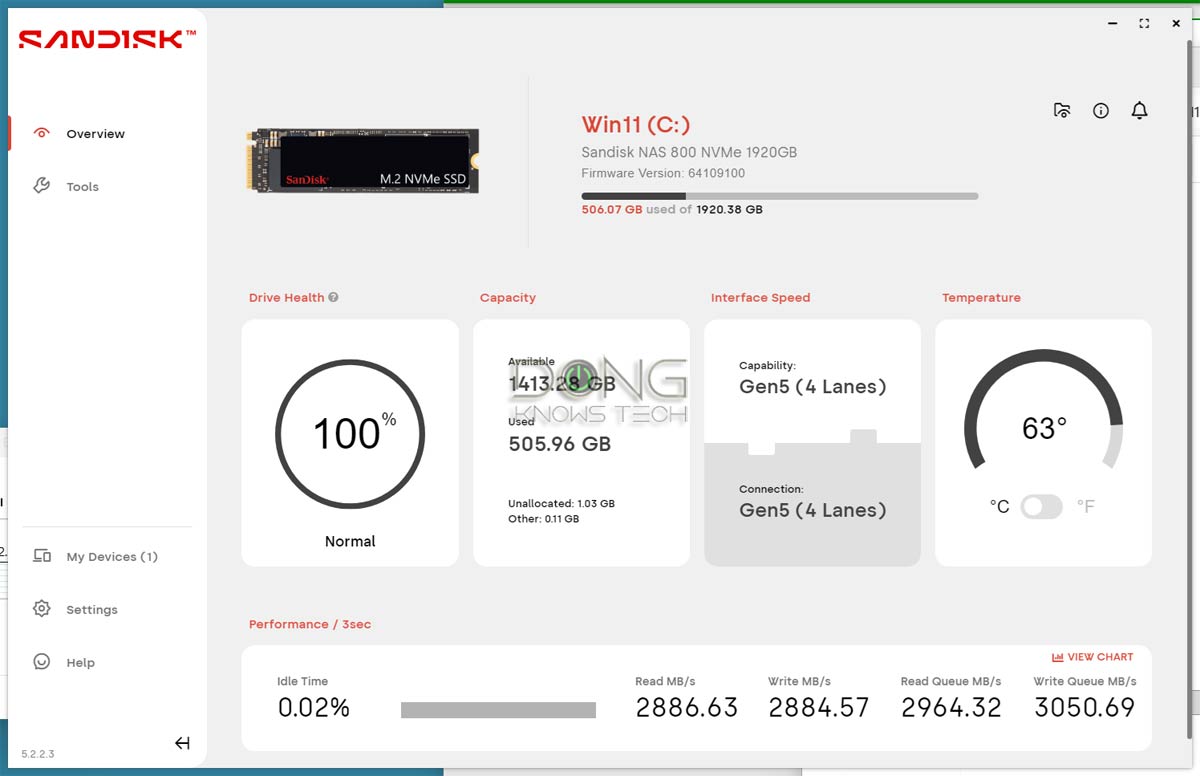
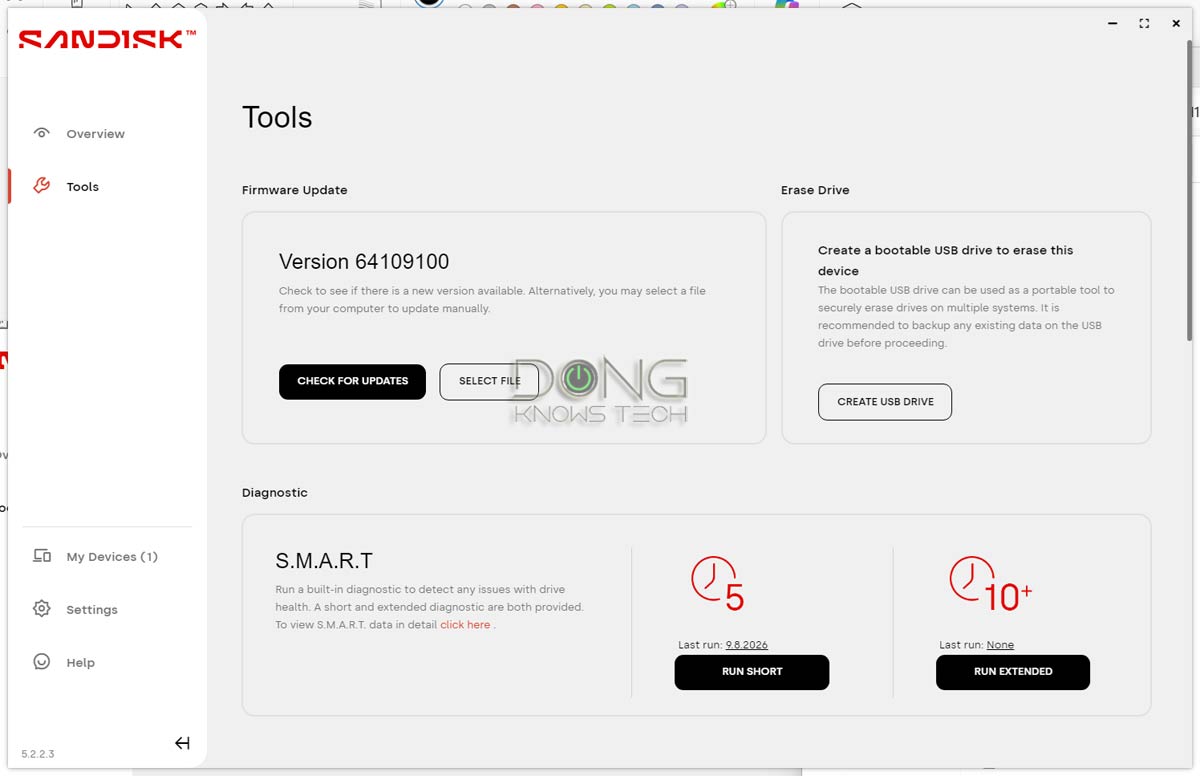
Other than that, the SANDISK NAS 800 shares the familiar Sandisk Dashboard software—available when used with a computer—for monitoring and management. In this case, you can use the desktop application to check its status and manage other functions, such as firmware updates.
A 100% NAS-ready SSD
When used with a NAS server, however, the SSD features standard SMART monitoring and other health-related features, depending on the NAS brand.
I tried the SANDISK NAS 800 with a few NAS servers from ASUS, UGREEN, TERRA Master, and Synology, and it worked with all of them. It’s worth noting, though, that when used with a Synology server, it can only be used for caching for now. But that’s mostly because Synology has strict hardware requirements and so far has only allowed storage volumes when you use its self-branded NVMe SSDs.
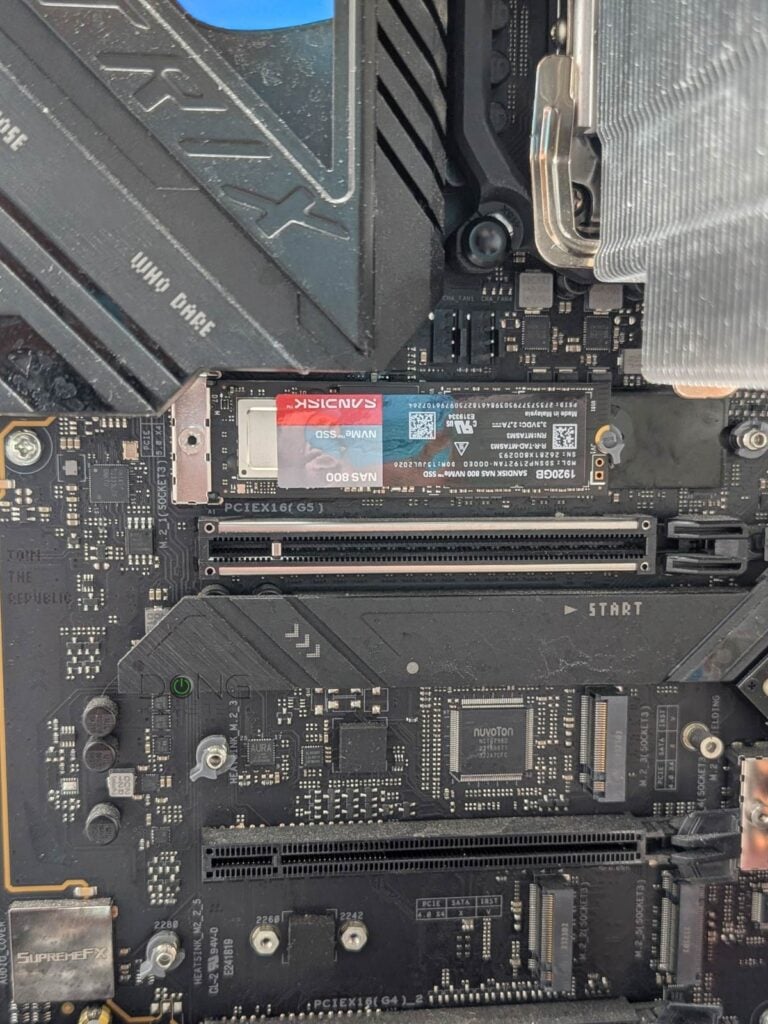
By the way, all servers I used feature PCIe Gen 3 or PCIe Gen 4, which is common for most NAS servers. So, if you want to get the most out of this PCIe Gen 5 drive, you’ll need to use it with a computer or a high-end NAS server that supports PCIe Gen 5.
And that’s what I did to test its performance.
SANDISK NAS 800’s performance: Not the fastest, but excellent nonetheless
For this review, I used a 1.92TB SANDISK NAS 800 extensively for almost a week,eek and it proved to be an excellent performer.
The first thing to note is that it never throttles, even under heavy load. Specifically, when I copied a single large file over 500GB, the transfer speed remained constant throughout the process.
Secondly, it’s one of the coolest PCIe Gen 5 drives I’ve used. Even during heavy operation, its temperature remained around 65°C (149°F). For perspective, I could rest my finger on it indefinitely, unlike other consumer-grade drives that can get hot enough to cause skin burns.
That was likely because the SSD is tuned more for endurance and reliability than raw performance, and that’s a good approach, considering it’s not slow—far from it.
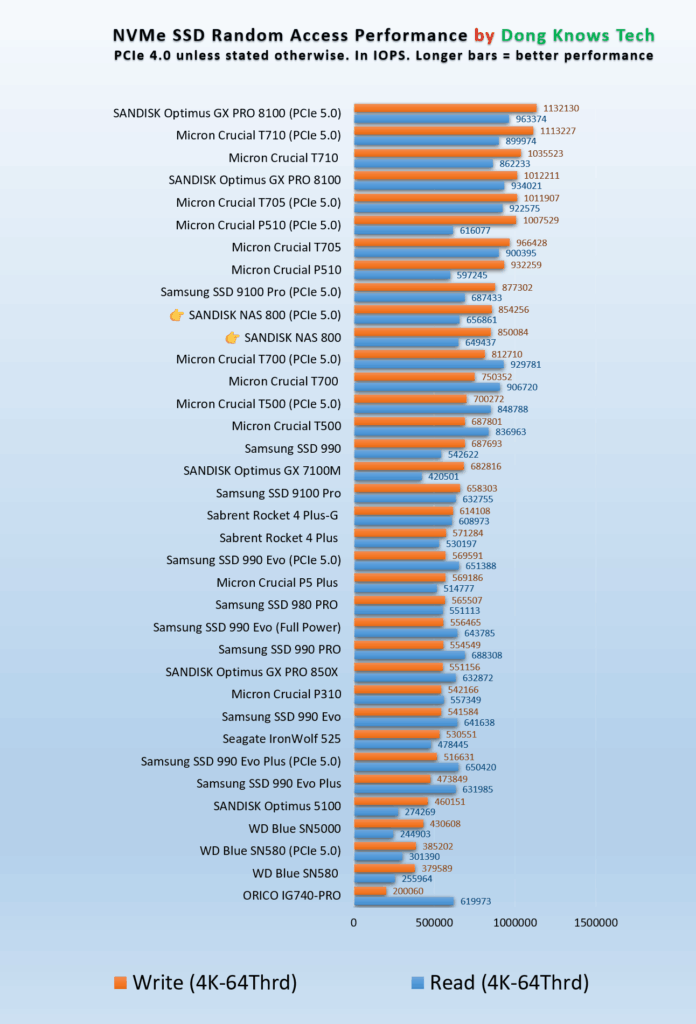
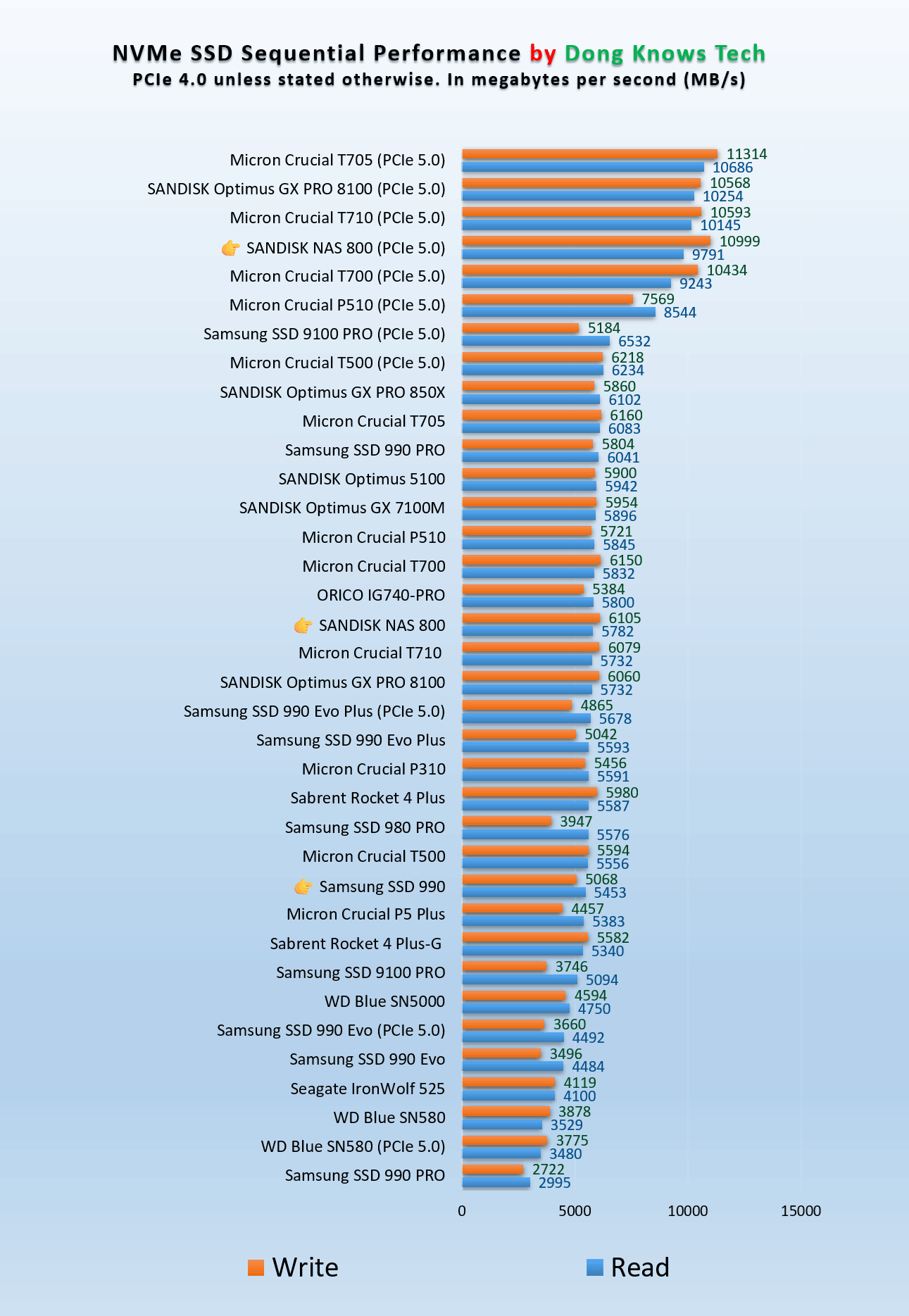
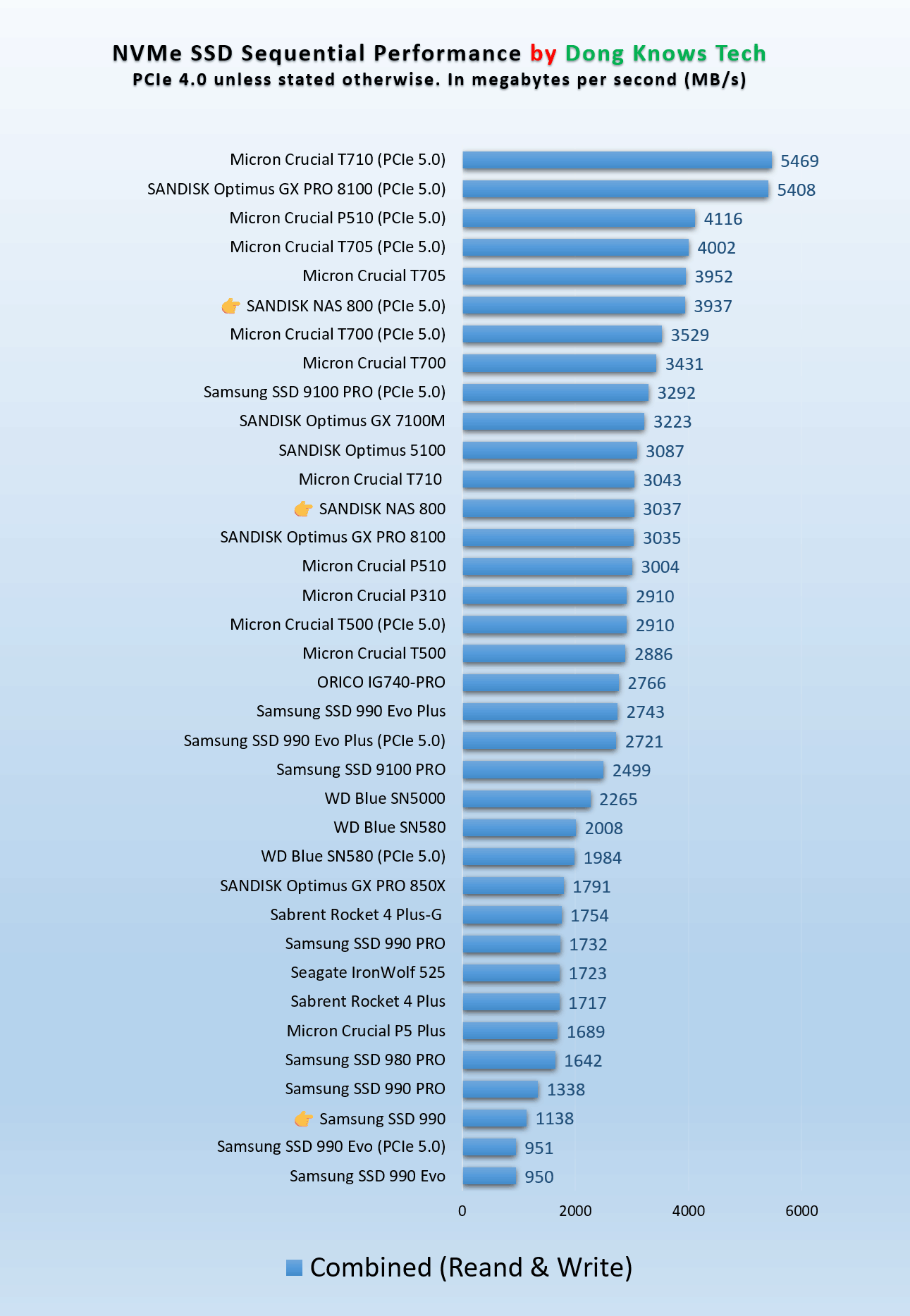
In terms of test scores, while the NAS 800 wasn’t the fastest among PCIe Gen 5 SSDs I’ve tried, it was well above average, and its performance remained consistent across all use cases, from file transfers to random access, when used with a PCIe Gen 5 slot or a PCIe Gen 4 one.
Overall, no matter how I used it, the SANDISK NAS 800 proved an excellent and satisfying NVMe drive. And the fact that it has top-notch endurance means I don’t have to think twice before doing lots of writing and erasing with it.
Conclusion
The SANDISK NAS 800 is not just another PCIe Gen 5 NVMe option. It’s an excellent choice for those needing a great combo of performance, reliability, and low heat. It’s a shame that, like all storage devices these days, it’s not cheap.
Still, if you need an SSD that you won’t go wrong with, get one today! If not, keep it in mind until this AI fever is over.


Comments are subject to approval, redaction, or removal. You're in the no-nonsense zone and that applies BOTH ways.
It's generally faster to get answers via site/page search. Your question/comment is one of many Dong Knows Tech receives daily.
Thank you!
(•) If you have subscription-related issues or represent a company/product mentioned here, please use the contact page or a PR channel.