
Standard access points (APs) are excellent options to build a robust Wi-Fi system, preferably with a non-Wi-Fi router. However, not all APs are created equal, and if you need more than one unit, it’s best to use hardware from the same ecosystem.
Among popular networking brands, Ubiquiti’s UniFi is arguably the best, offering an excellent combination of performance, features, and cost. That’s not to mention it’s the only brand that caters to all user demographics, from home users to enterprises.
This post includes the current five best UniFi access points, all featuring Wi-Fi 7, you can safely bring home, either as a single unit or a few to form a Wi-Fi system.
Dong’s note: I first published this post on May 1, 2026, and last updated it on May 15 with the latest picks.
Best Ubiquiti UniFi access points: 2026’s top five Wi-Fi 7 options for different scenarios
These access points are sorted by rating, with #1 being the highest. However, each represents a different use case, so, depending on your situation, any of them can be the most applicable.
Generally, all of these access points can work with any router when used as a single unit. However, they do require a UniFi Cloud Gateway (a.k.a. “router”) when used as a system for optimal performance. In this case, the most flexible option is a non-Wi-Fi gateway, or one with the same Wi-Fi standard integrated.
For example, if you get a tri-band UniFi access point, it’s best to use it with a tri-band UniFi Cloud Gateway. It’s worth noting, though, that UniFi Cloud Gateways are also flexible in terms of Wi-Fi management, and you generally can use any of them with any of UniFi access points of any Wi-Fi standard. It’s just a matter of configuration.
Most of these access points are PoE-enabled and generally require a PoE switch or injector that supports the same or higher power standard, preferably with the same or higher port grade, to deliver optimal performance.
Top 5 best UniFi Wi-Fi access points
 |  |  |  | 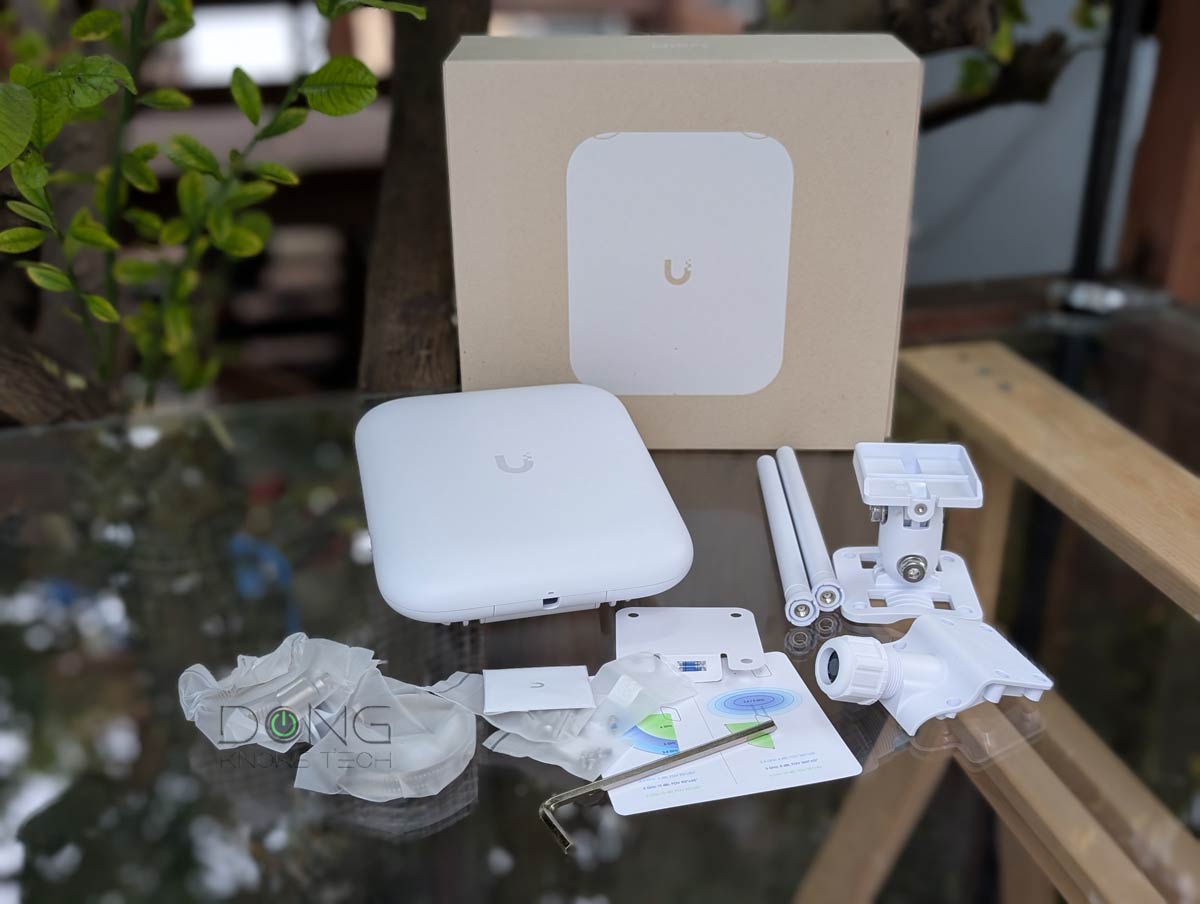 | |
| Name | Ubiquiti U7 Pro XGS' Rating | Ubiquiti UniFi U7 Mesh's Rating | Ubiquiti UniFi U7 In-Wall (U7-IW)'s Rating | Ubiquiti UniFi U7 Pro XG Wall's Rating | Ubiquiti U7 Pro Outdoor's Rating |
| Price | – | – | – | – | – |
| Rating | |||||
| Description | |||||
| Statistics | |||||
| Buy this product |
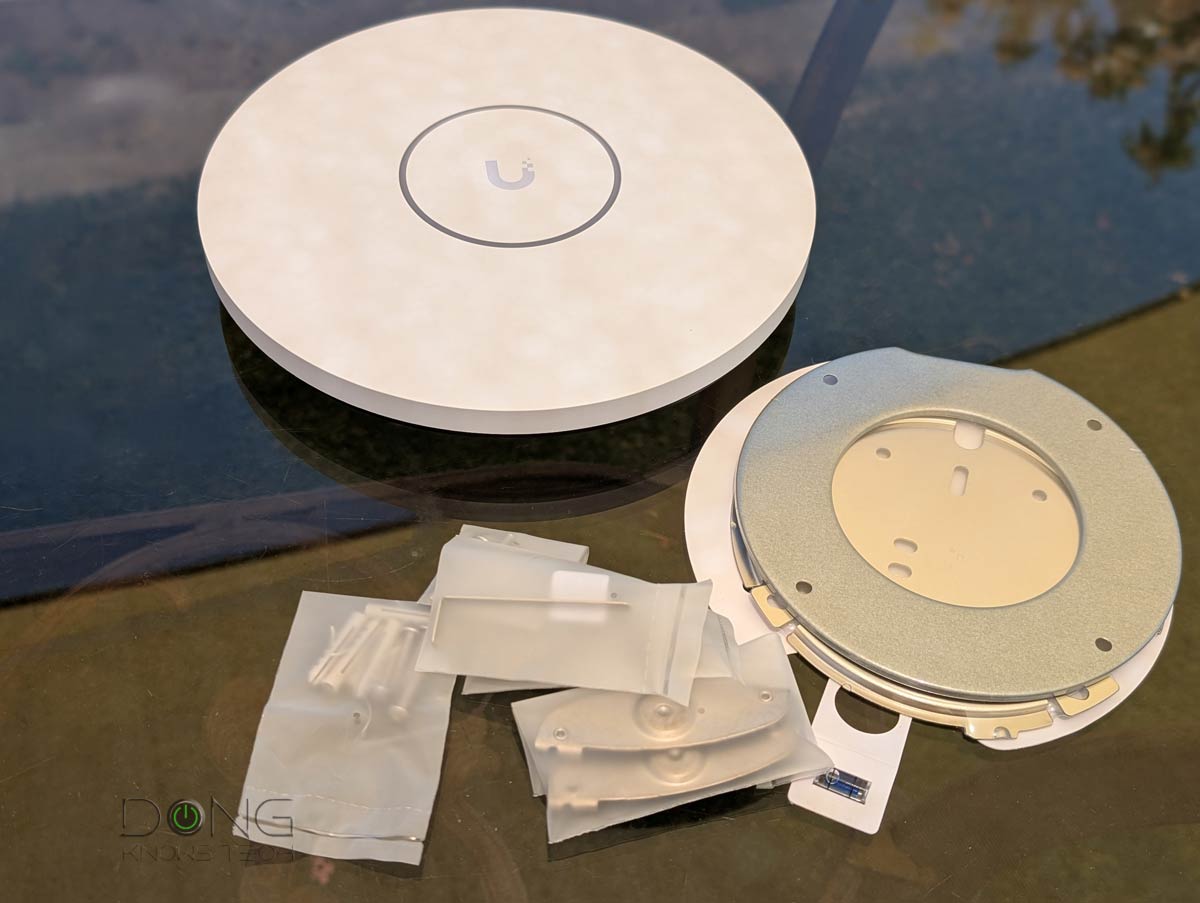
1. U7 Pro XGS: Tri-band, 10GbE PoE++ uplink


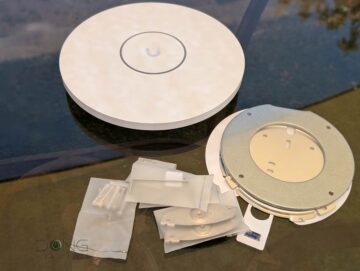
The U7 Pro XGS was first released in 2025 and is a major upgrade over the U7 Pro Max, featuring a 10GbE uplink, Zero-Wait DFS, and real-time spectral analysis for optimal coverage.
Alternatively, if you want the ultimate indoor option, the UniFi E7 is slightly better and includes AFC, but at a higher cost.
Ubiquiti U7 Pro XGS' Rating
Pros
Top Wi-Fi 7 performance via 10Gbps uplink port with excellent coverage
Seamless integration with a UniFi console to deliver a robust mesh system with lots of advanced and useful features
Simple to set up and manage, fanless design
Zero-wait DFS, low PoE power draw
Cons
Relatively high PoE++ power requirement, no AFC, no injector included
No local web user interface as a standalone AP; runs hot
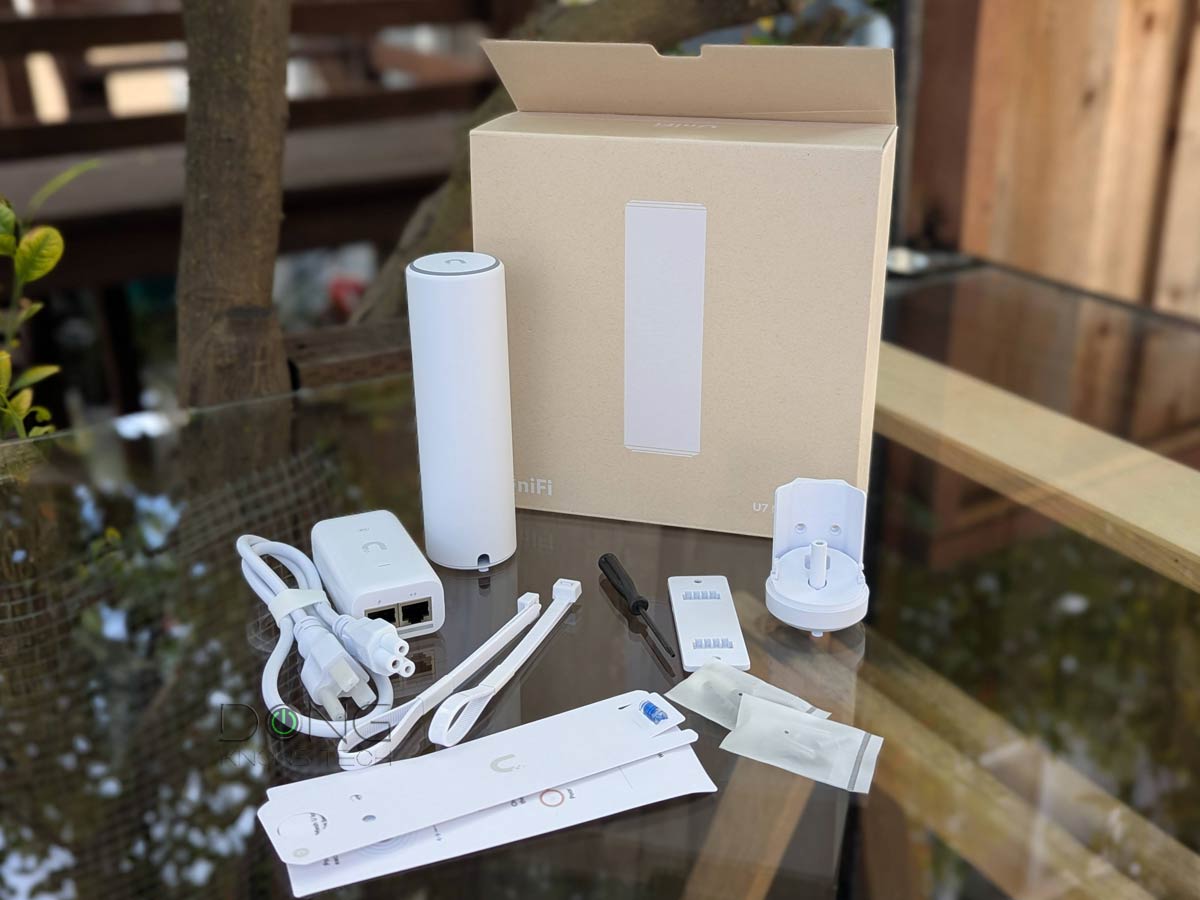
2. U7 Mesh: Dual-band, 2.5GbE PoE uplink with extended backhaul range
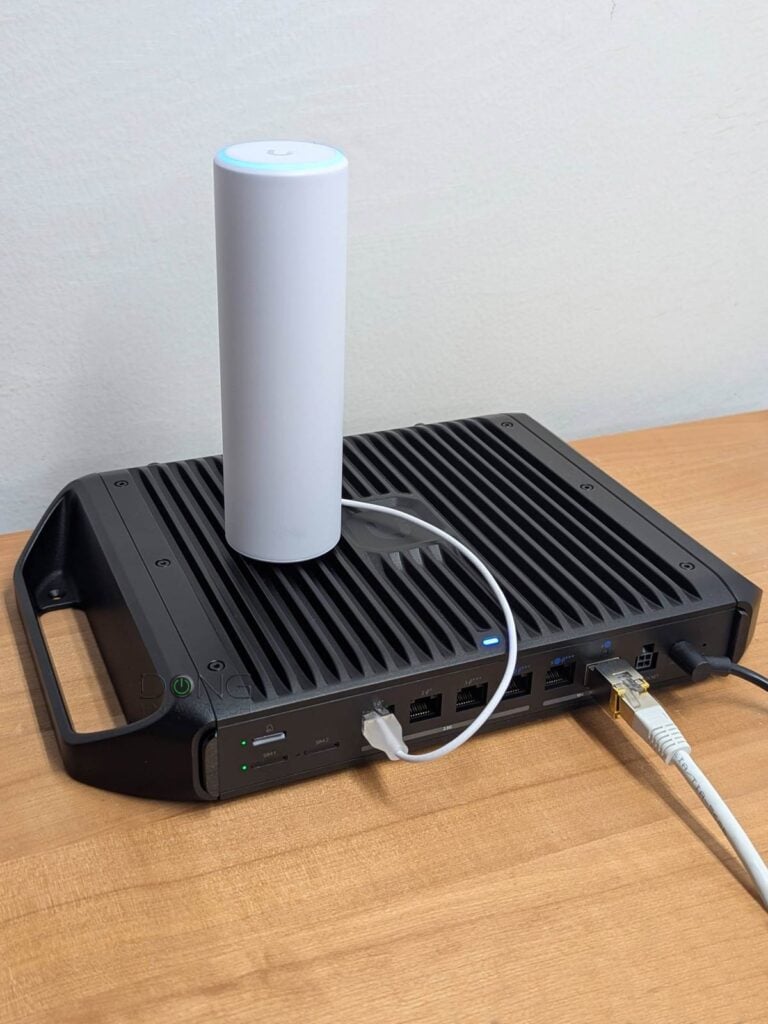
The U7 Mesh is the 2026 member of the UniFi family. It’s a dual-band outdoor Wi-Fi 7 access point that uniquely features dedicated directional uplink antennas for extended range. It’s also one of the few UniFi access points that comes with an injector and is an ideal option for those needing to mesh two properties hundreds of feet apart.
Ubiquiti UniFi U7 Mesh's Rating
Pros
Compact and rugged design with reliable performance and exceptionally extended backhaul range
Seamless integration with a UniFi Cloud Gateway, as an access point or a mesh unit, to deliver a robust Wi-Fi system with advanced and useful features
Simple to set up and manage, fanless design, low PoE power draw, runs relatively cool, 2.5Gbps PoE injector included
Cons
Modest dual-band Wi-Fi 7 specs with only Gigabit-class real-world rates
A UniFi network is required to deliver the full potential
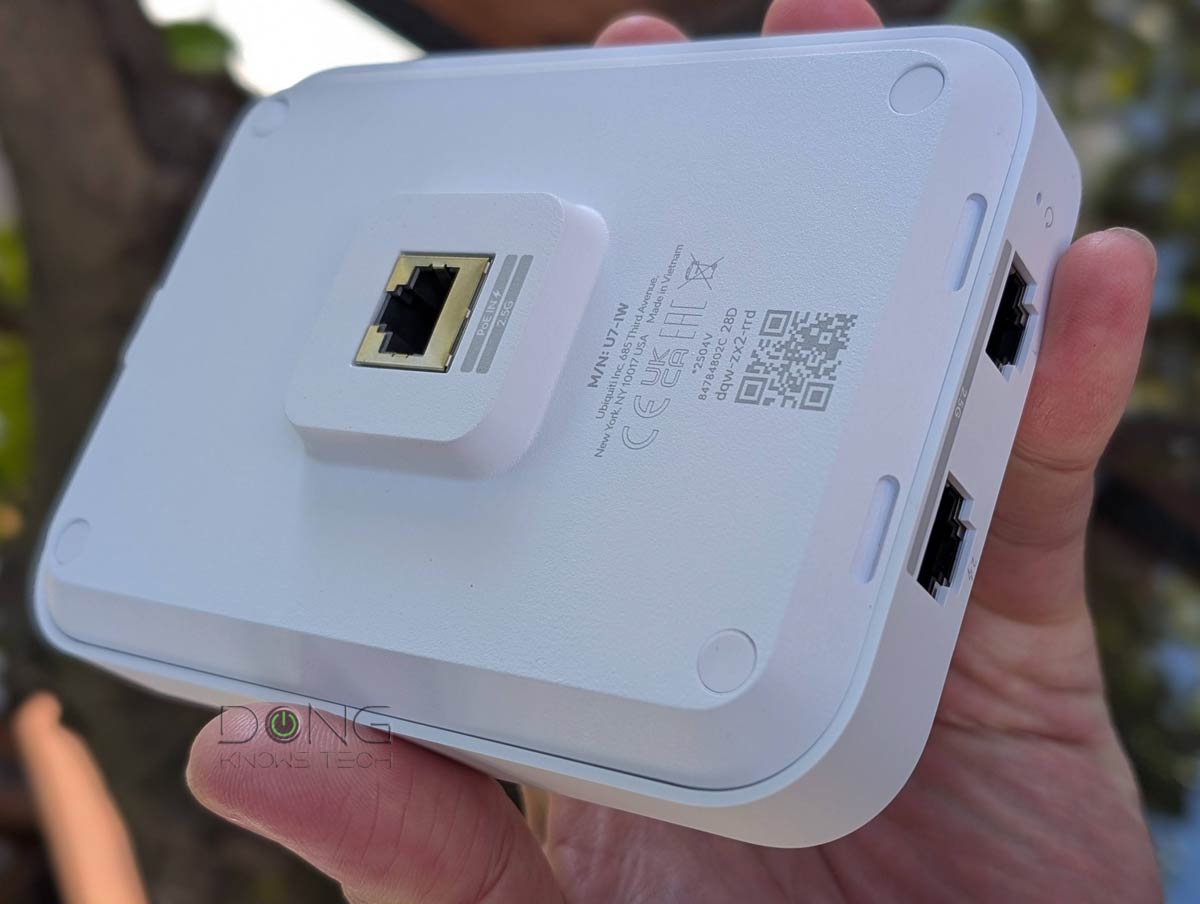
3. UniFi U7 In-Wall: Dual-band, 2.5Gbps PoE+ uplink with PoE Power Forarding
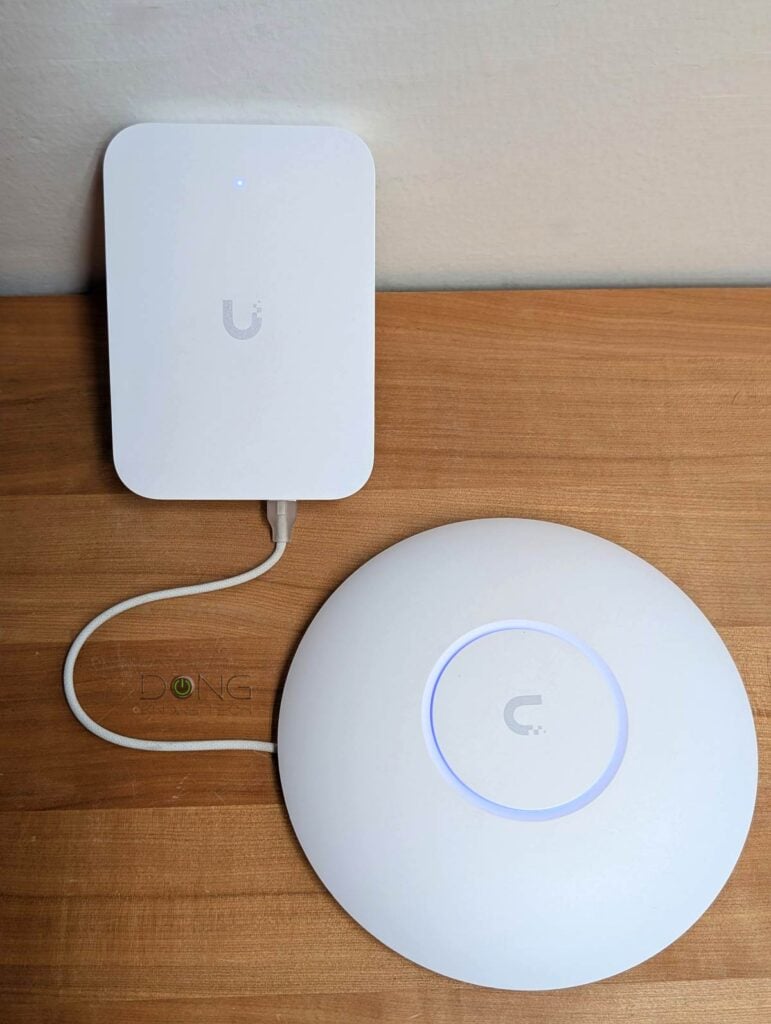
The U7 In-Wall is the surface-mount version of the U7 Lite, a dual-band Wi-Fi 7 access point similar to the U7 Mesh above. It comes with a 2.5GbE PoE+ uplink port.
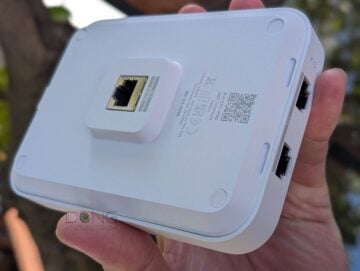
The In-Wall is unique because it features an integrated 2-port 2.5Gbps switch, of which one is a PoE-out port. In other words, in addition to being a PoE+ access point, it’s also a PoE switch with PoE Power Forwarding capability. It’s an excellent option for those who need to set up a daisy-chained PoE Wi-Fi 7 network.
Ubiquiti UniFi U7 In-Wall (U7-IW)'s Rating
Pros
Excellent performance with good coverage; 2.5Gbps PoE+ uplink port and additional two 2.5Gbps LAN ports with PoE Power Forwarding
Seamless integration with a UniFi console to deliver a robust mesh system with lots of advanced and useful features
Beautiful, fanless design; simple to set up and manage
Cons
No PoE injector included, mid-tier dual-band Wi-Fi 7 specs
No local web user interface as a standalone AP
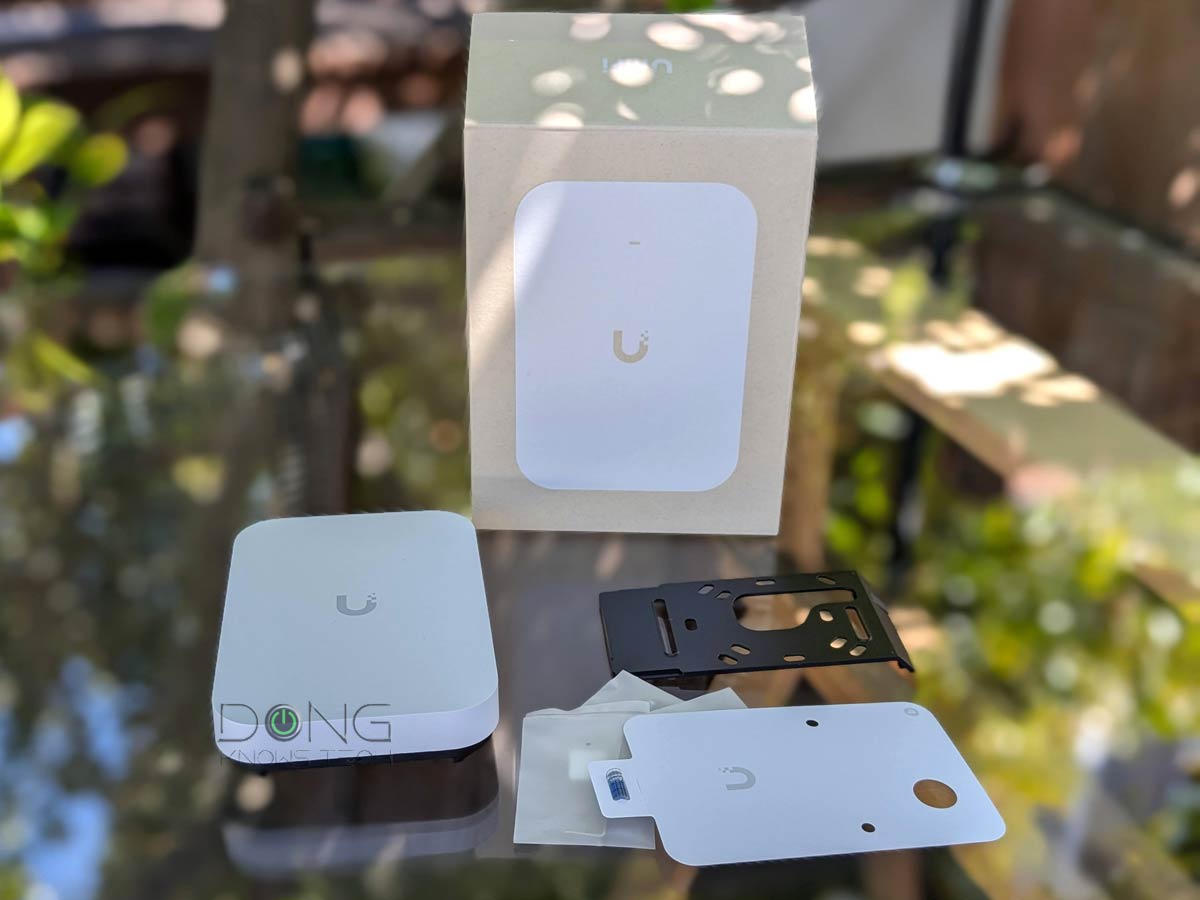
4. U7 Pro XG Wall (U7-Pro-XG-Wall): Tri-band, 10GbE PoE+ uplink
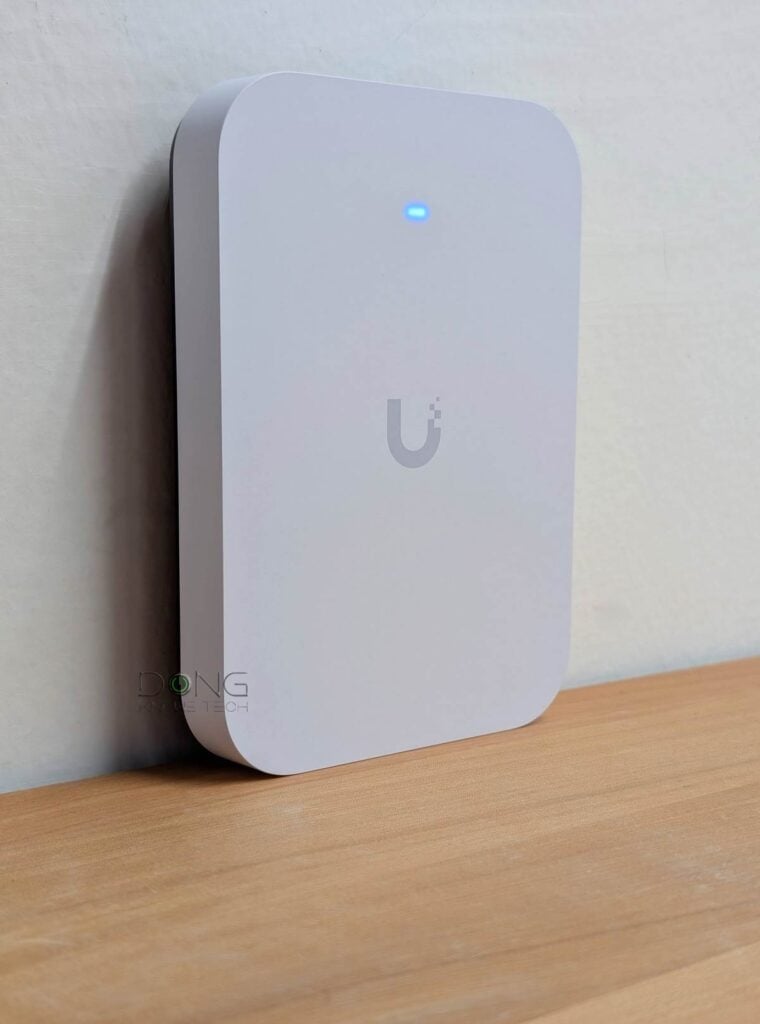
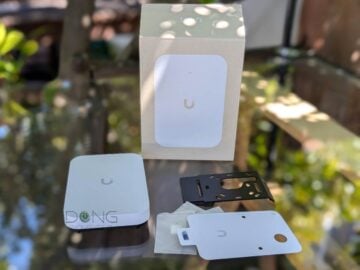
The U7 Pro XG Wall, not to be confused with the U7 Pro Wall, is very much the wall-mount version of the U7 Pro XGS above. This compact access point offered excellent performance thanks to its 10Gbps uplink port, and the fact that it requires relatively low power intake (PoE+) doesn’t hurt.
Ubiquiti UniFi U7 Pro XG Wall's Rating
Pros
10Gbps uplink with excellent performance
Seamless integration with a UniFi console, with lots of advanced and useful features
Convenient fanless design, simple to set up and manage
Cons
No PoE injector included
No local web user interface as a standalone AP
Runs a bit hot, Wi-Fi coverage could be a tad better
5. U7 Pro Outdoor: Tri-band with AFC, 2.5GbE PoE+ uplink
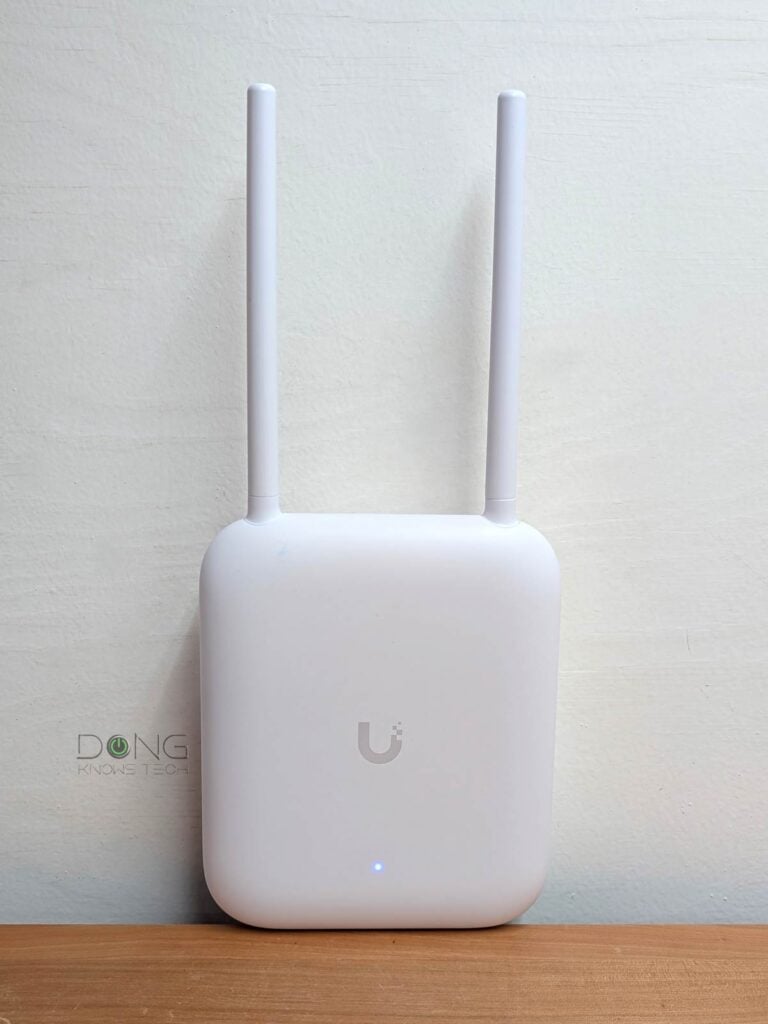
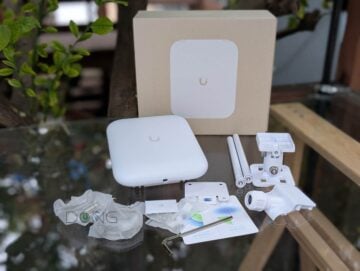
The U7 Pro Outdoor is another consumer-friendly UniFi Wi-Fi 7 access point that supports AFC. As an outdoor unit, it’s excellent for those who need extended 6GHz coverage.
Ubiquiti U7 Pro Outdoor's Rating
Pros
Excellent Gig+ performance with extensive coverage thanks to AFC support
Seamless integration with a UniFi console to deliver a robust mesh system with lots of advanced and useful features
Simple to set up and manage
Cons
No 10Gbps port, mid-tier Wi-Fi 7 specs; no PoE injector included
No local web user interface as a standalone AP
Takes a long time to get ready due to the lack of dedicated spectral scanning radio; limited 6GHz client support
Extra: UniFi Express 7 (UX7)
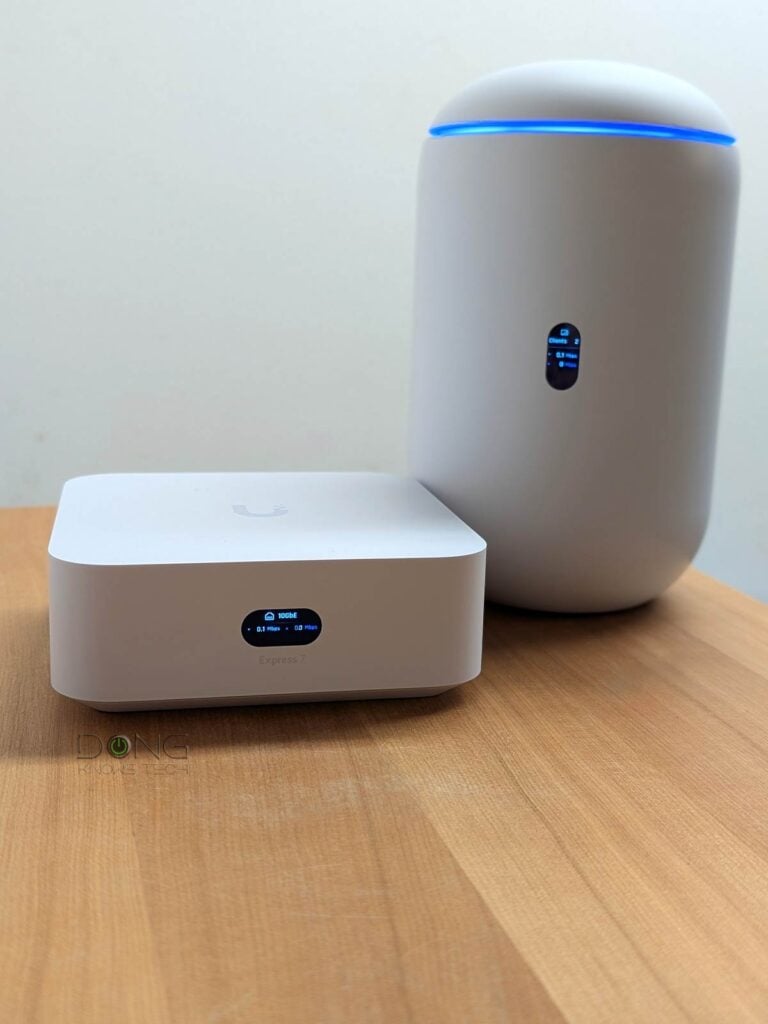
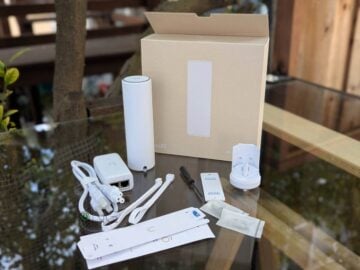
The UX7 is technically not an access point, but a UniFi Cloud Gateway. However, it can uniquely switch its role to that of an access point. As a result, it’s an excellent access point or mesh point for those without PoE or who can’t run network cables.
Ubiquiti UniFi Express 7 (UX7)'s Rating

Pros
Flexible enough to be the primary router or a satellite unit of a robust UniFi mesh system
Excellent throughput performance for the specs, reliable coverage
Tons of useful network-related features, including a mesh controller
Compact, fanless, and beautiful design, comprehensive web user interface with an optional mobile app
Affordable, quiet, and remains relatively cool during operation
Cons
Only two network ports, with only one being 10 Gbps, no PoE; supports only the UniFi Network application
Convenient network-related features require a UI login account; not wall-mount-ready
No AP mode when hosting a Wi-Fi system
The final thoughts
All of the access points above can work as individual units in any network. However, in that case, you’ll need to use the UniFi mobile app for setup and management, and even then, each is limited in what it can do.
The best way to use one, or especially a few UniFi access points, is via a UniFi Cloud Gateway. It’s only then that you can get the best performance and features out of them—in fact, you now have a robust, most advanced Wi-Fi system.
If you’re new to the UniFi ecosystem, here’s the general guide, and the current list of the top five gateways below will help.
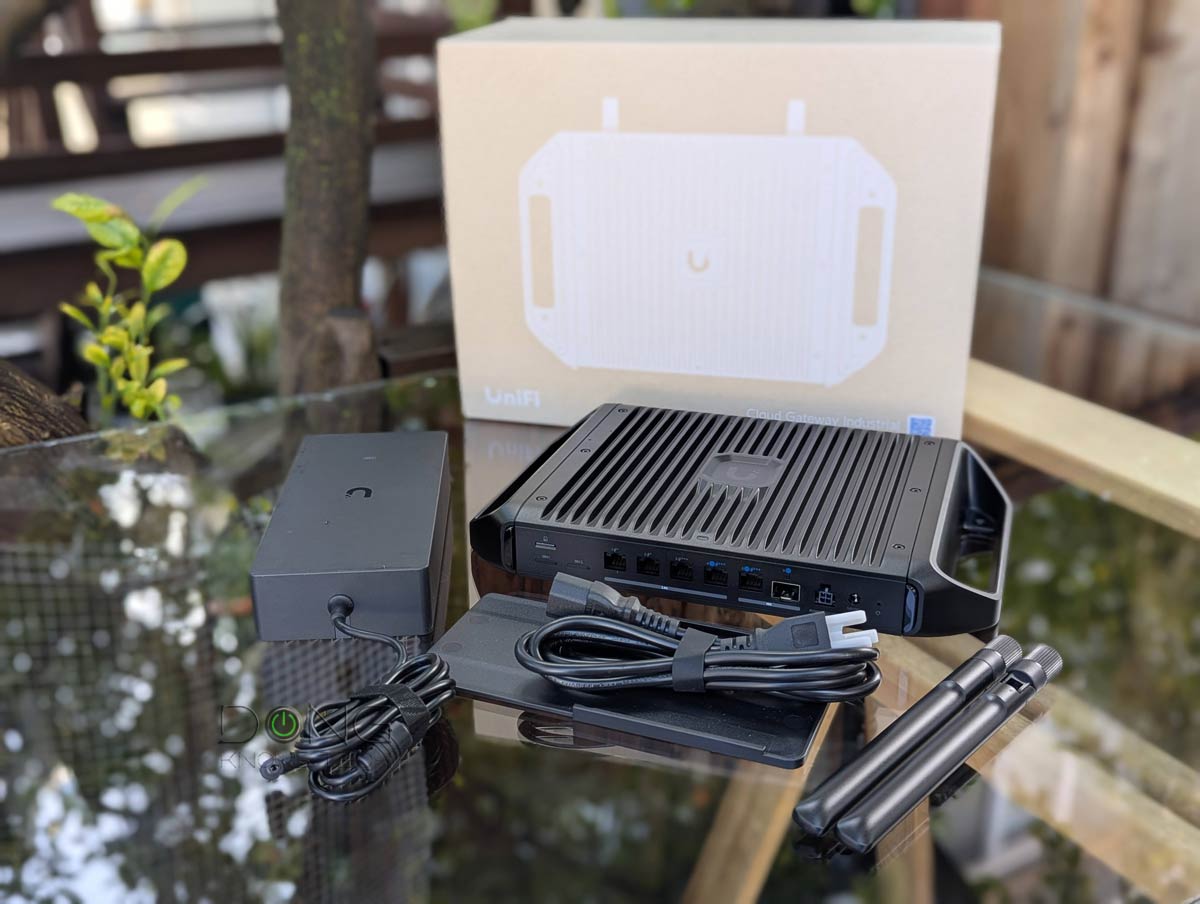
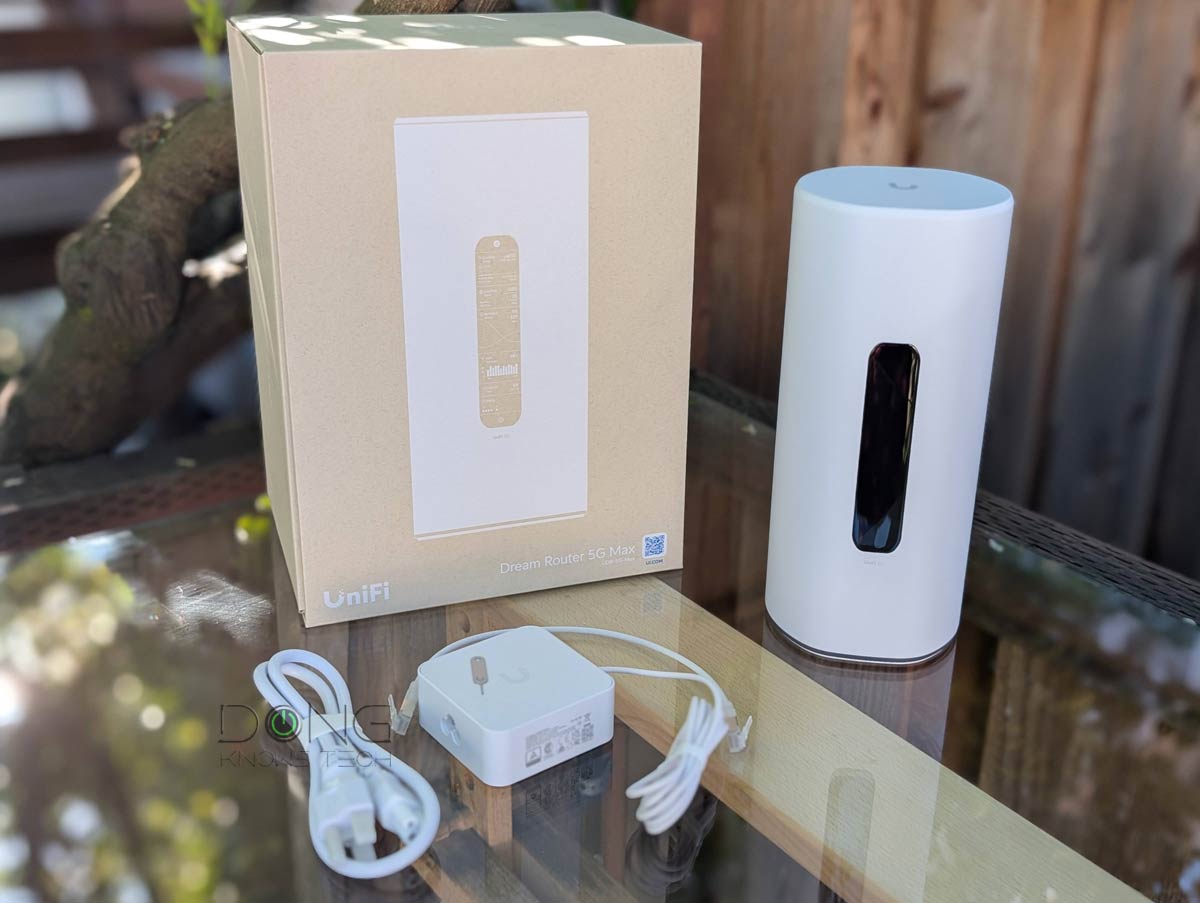
Top 5 Best Wi-Fi UniFi Cloud Gateways (Wi-Fi UniFi routers)
 |  |  |  |  | |
| Name | Ubiquiti UniFi Dream Router 7 (UDR7)'s Rating | Ubiquiti UniFi Cloud Gateway Industrial (UCG-Industrial)'s Rating | Ubiquiti UniFi Dream Router 5G Max (UDR-5G-Max)'s Rating | Ubiquiti UniFi Express 7 (UX7)'s Rating | Ubiquiti UniFi Dream Router (UDR)'s Rating |
| Price | – | – | – | – | – |
| Rating | |||||
| Description | |||||
| Statistics | |||||
| Buy this product |
Check current prices at Ubiquiti Store or on Amazon!



Hi Dong,
Thanks for your message earlier. I’m new to this space and looking to migrate from Nest Wifi to a Ubiquiti system based on your reviews. My home does not have consistent wiring, and thus are there any access points that are not powered by PoE, but by a standard outlet only, that would work to extend the range of the UX7? Thanks!
You get more UX7 units and use (more) Wi-Fi or PoE UniFi cameras, Chris. It’s a different world that evolves rapidly, in a good way. Check back for more on this front. 🙂
Just read your article about the bundled UX7 packs. Sounds like the way to go.
Hey Dong,
Great article! I’m looking to upgrade to a Ubiquiti system and wanted to get your advice on a possible setup. I’m currently using the Trendnet TEW 818 router. I got it based off of your CNET review years ago! The router sits on the first floor toward the back of my house and I have an extender on the second floor toward the front cause the signal starts to drop there. House is 3100sq ft. I don’t plan to wire my house now and was looking at a mesh option. I saw your recommendation for the UDR7 and UX7 as a great mesh, but I was wondering if I would be better off long-term getting the UCG-Fiber and a couple of U7 Mesh APs? Thanks for your work!
The U7 Mesh is dual-band, Justin, it’s not for top speed but large coverage. It’ll still be better than what you have now but applicable only if you have sub-500Mbps broadband. Also, if you go with it, the UCG-Industrial is more suitable, but any UCG will work. In any case, this buying guide will give you all the finer points. Good luck!
Great, thanks Dong!
👍
Hello Dong
If I already have a U7 Pro XG on a 2.5Gb backbone, would I benefit from upgrading to the U7 XGS in term of coverage/perf of the 5GHz band ? I’m not quite clear if MIMO4x4 and real time spectral analysis would bring something noticeable, or if it’s very dependent on the client as well anyway (specially for 4×4).
thank you.
Coverage, likely not, Seb, but you’ll get more bandwidth and better efficiency in a crowded area.
Hey Dong,
Great article as always. Have you done any tests to see which performs better – the U7 Pro XGS or the UX7? Both are about the same price, with the UX7 offering a bit more flexibility. I was wondering if you give up some performance as a price for that flexibility.
My wifi at homes uses 2 UX7s, a U7 Lite, and a U7 pro. Been looking at picking up a Pro XGS to plug a hole vs yet another UX7 – especially as Ubiquiti doesn’t seem to update the UX7 nearly as much as everything else.
You can check the performance charts in the UX7’s review, Tosan. I’d say the U7 Pro XGS is a much better access point, again, as mentioioned in its review.