
And the US TP-Link router ban saga continues.
Yesterday, Bloomberg reported that “the US Federal Trade Commission is examining whether TP-Link Systems Inc., a California-based wireless router maker, may have deceived consumers by allegedly concealing its connections to China since its restructuring last year.”
And with that, we’re back to the original question of whether or not TP-Link is a Chinese company.
On this front, TP-Link has told me on numerous occasions that it’s now a US entity. In fact, during CES 2025, multiple TP-Link representatives emphasized to me that its routers were manufactured in Vietnam (my country of origin) by pointing out the “MADE IN VIETNAM” on the hardware’s label as evidence that it was no longer “Chinese”.
I remember thinking at the time that it was an odd gesture, since TP-Link wasn’t claiming to be a Vietnamese company, and many US companies have their devices made in China—the iPhone is an example. However, since late 2024, all TP-Link networking hardware I’ve reviewed has had “MADE IN VIETNAM” on its label.
So, it looks like Vietnam has indeed been the country of origin for many TP-Link routers. Or has it?

US TP-Link router ban: It’s impossible to know for sure where TP-Link routers are made
Let’s say we take TP-Link at its word and trust the hardware label. As it turns out, it’s still hard to know for sure where its hardware is made.
Let’s take a closer look at the hardware label itself.
The hardware label on US-bound electronics
Per US regulations, all electronics must include hardware labels that provide crucial safety, compliance, and tracking information.
This information generally includes manufacturer details, model/serial numbers, power ratings, certification marks such as FCC, CE, and UL, and, for US imports, the country of origin, as indicated by the common “Made in…” marking.
Generally, the required form of marking is that it becomes a part of the device itself, such as branding, stenciling, stamping, printing, molding, and similar methods. As a result, the country of origin is generally persistently attached to the device because the information is permanent.
On some devices, it’s acceptable to add device-specific information, such as the serial number, IP address, default SSID, Wi-Fi password, or MAC address, using add-on adhesive labels, though this is not recommended.
And that’s generally the case with electronic devices you buy in the US. Below are a few examples of networking hardware I’ve worked with, including TP-Link models released before 2024.
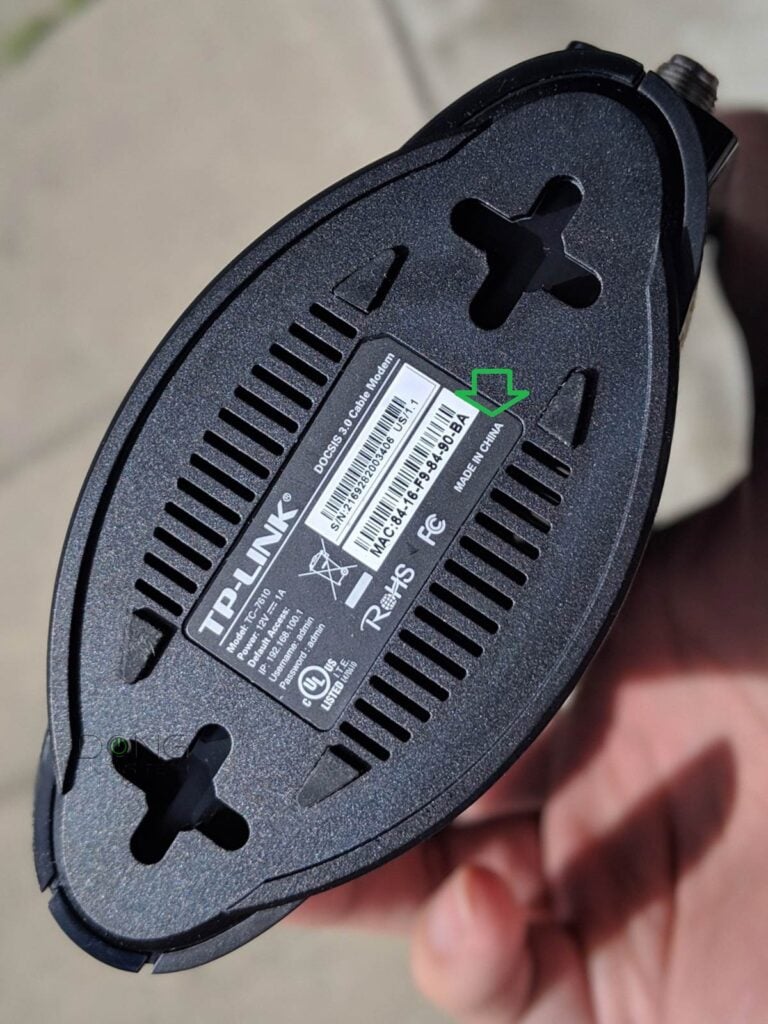
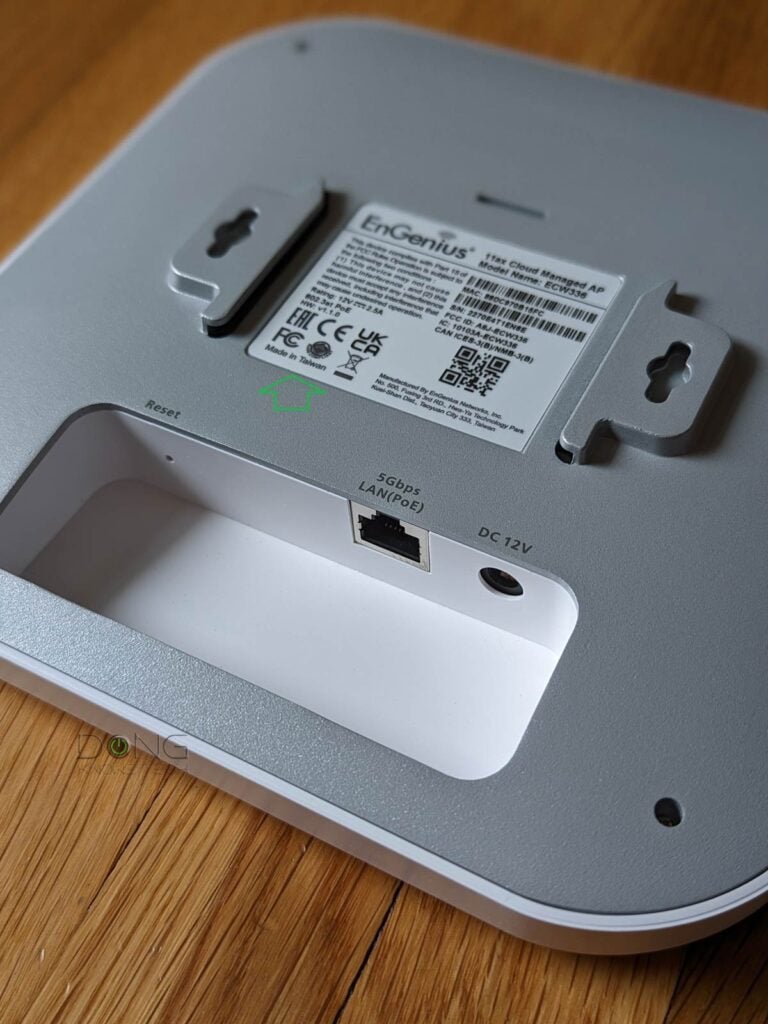
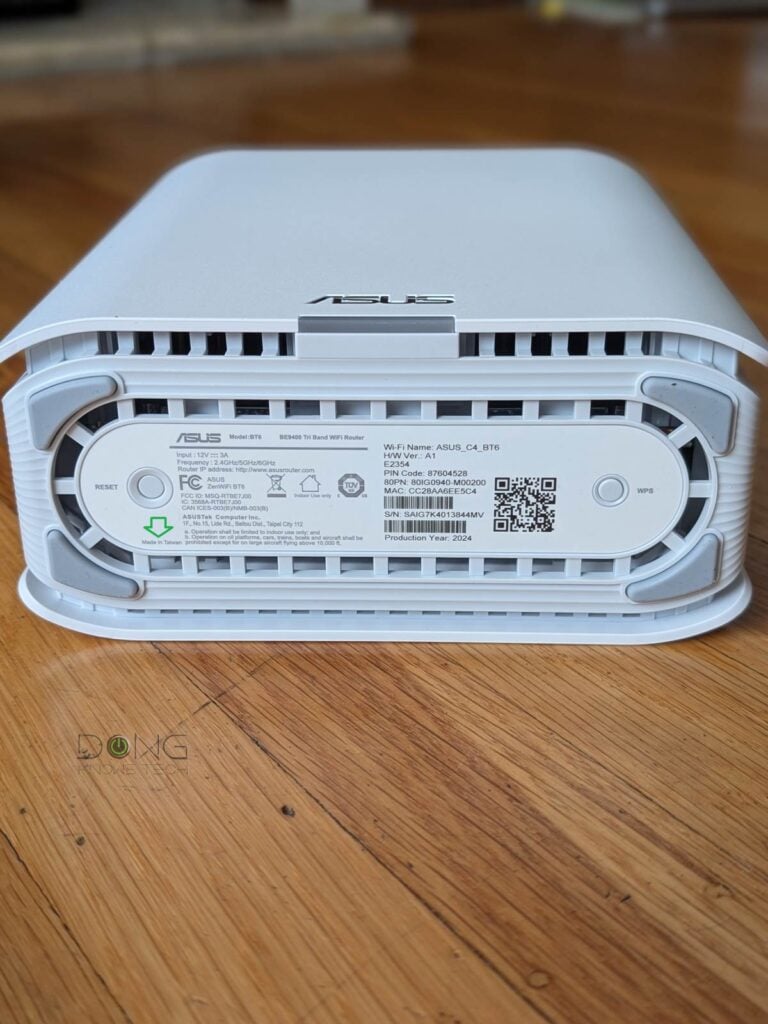
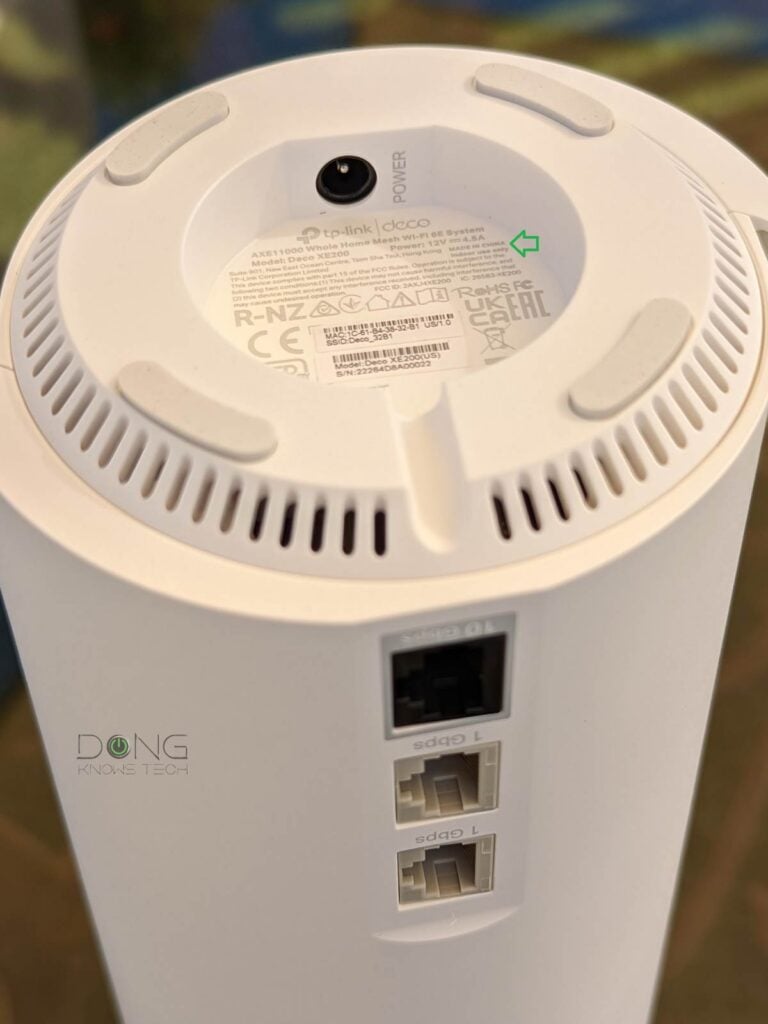
TP-Link’s new and questionable “MADE IN VIETNAM” hardware label
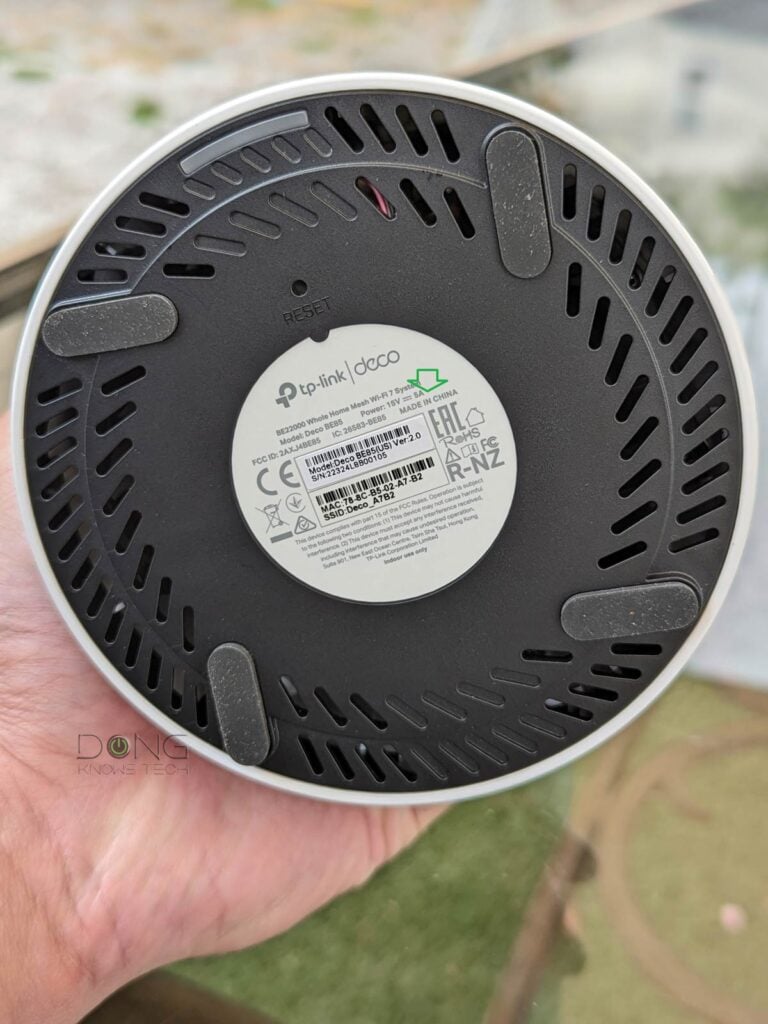
In my observation, starting in late 2024, coinciding with TP-Link’s aggressive effort to separate itself from its Chinese roots, there’s been one significant change in the hardware labels of TP-Link routers.
Specifically, the country of origin information is no longer part of the permanent marking. Instead, it’s been moved to the add-on adhesive label, which generally contains the device’s serial number. That’s the case with virtually all TP-Link routers released since late 2024, though this practice started sporadically before 2024.
Below are some examples.
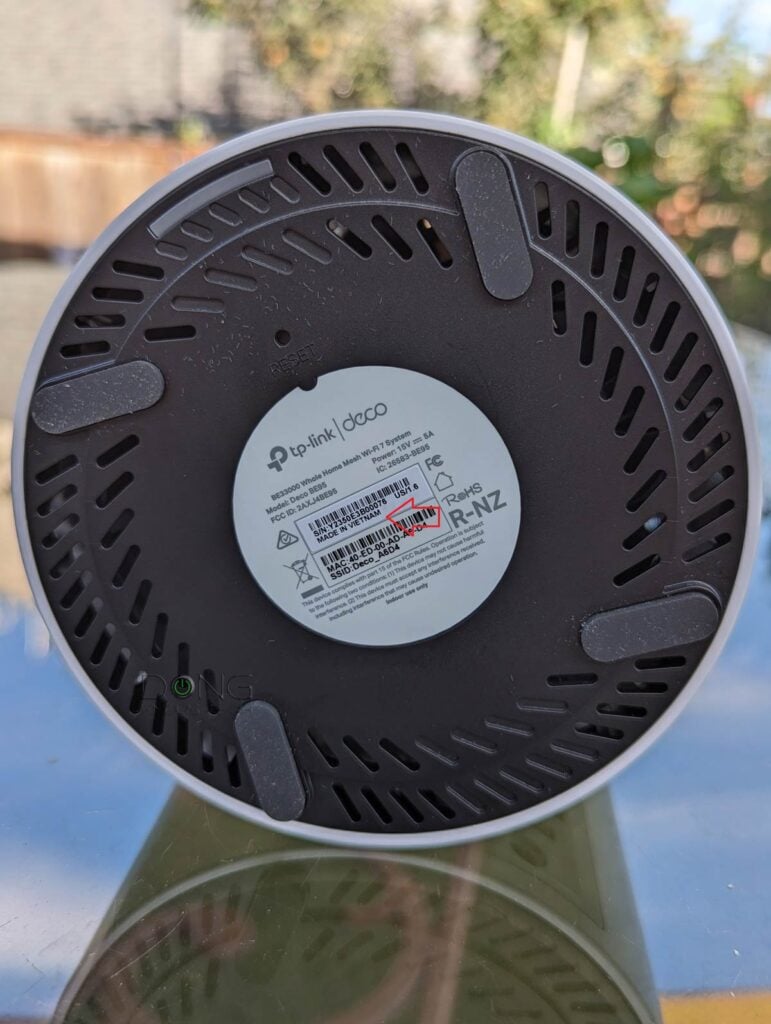
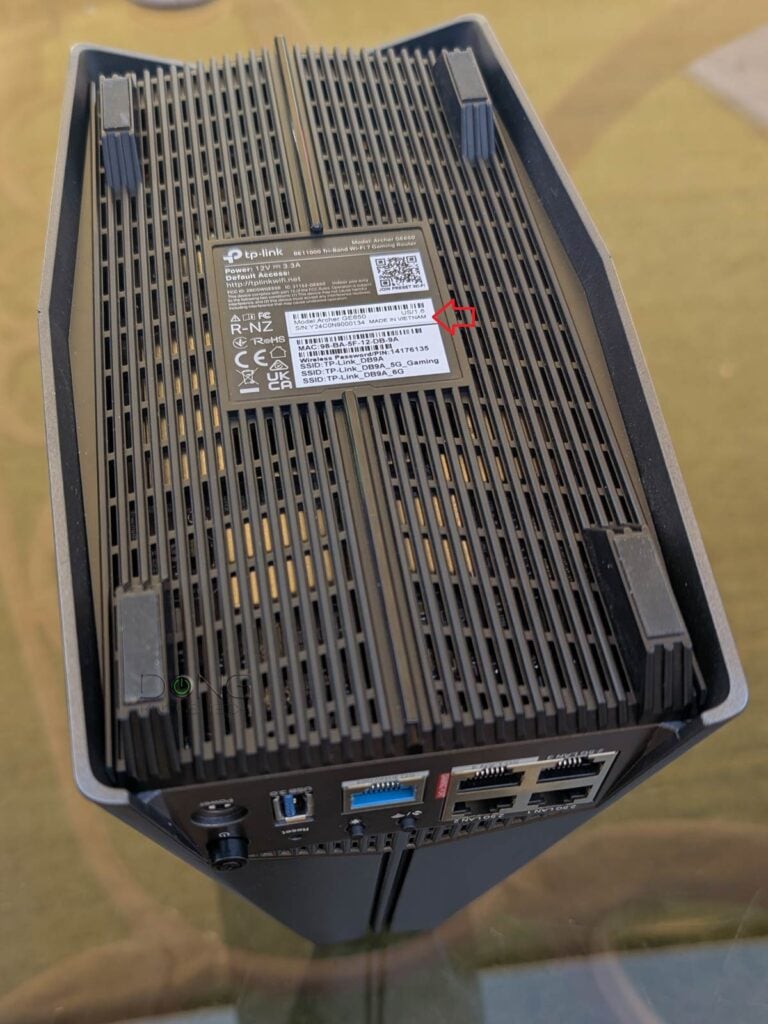
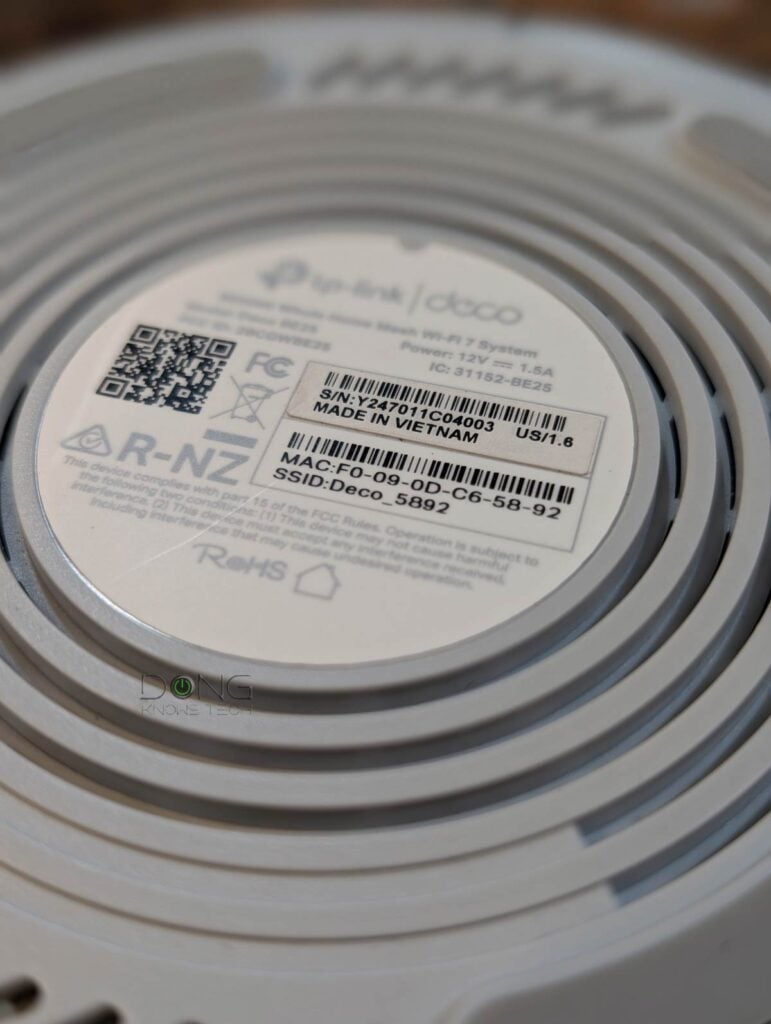
It’s worth noting that this label is easy to remove. By curiosity, on a Deco BE25, I warmed it up with a hair driver and was able to remove it without breaking it. Underneath, it was a placeholder with some permanent information, but not the country of origin.
Without this easily removable adhesive label, there’s no way for us to know where the hardware was made. On the flip side, you can create a new label and arbitrarily set the country of origin to whatever you want.
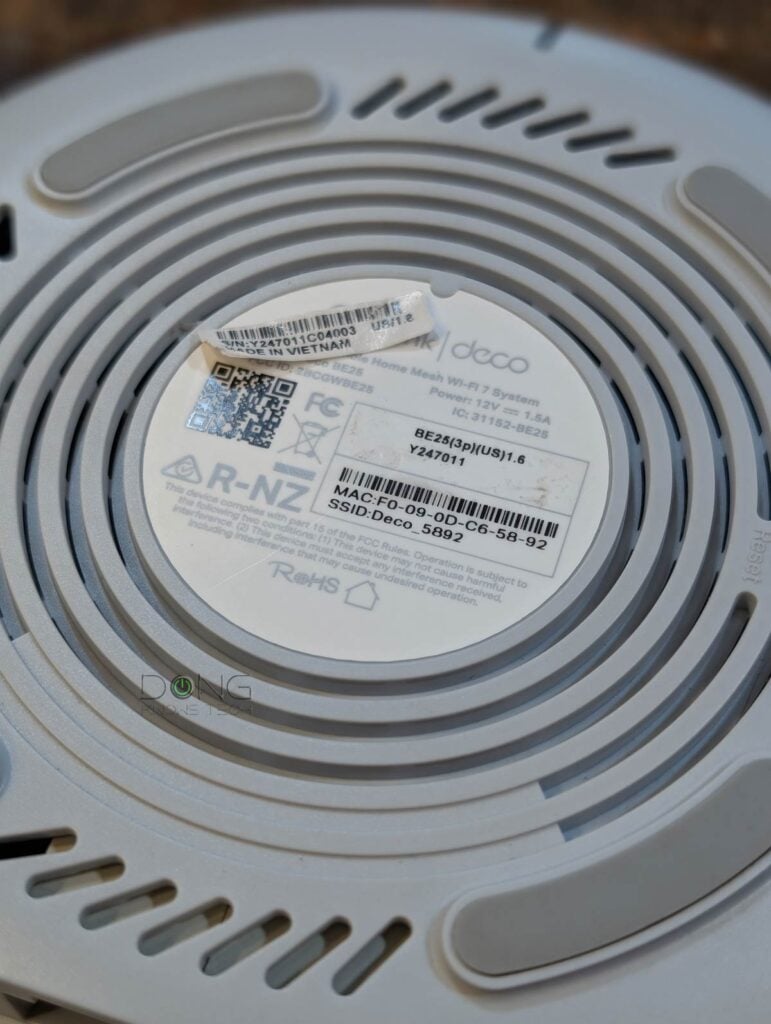
That said, this type of add-on marking seems deceptive and might have been part of the reason why the US Federal Trade Commission has taken issue with TP-Link. At the very least, it’s not entirely in compliance with the US regulations on the hardware label, which require the country of origin to be a permanent marking.
The takeaway
I have no idea about TP-Link’s inner workings or intentions. However, the way the company has responded to the US government’s accusation that it poses a national security risk has proven problematic. It raises more questions than answers.
Apart from trying to prove that it’s a US company, TP-Link has reportedly sued NETGEAR, its perceived competitor in the US. And this “MADE IN VIETNAM” notion—even if that’s indeed the case—is a moot point since the country of origin doesn’t mean anything in terms of a company’s identity. Many devices from well-known US companies, such as Apple and Google, are made in China.
Most importantly, TP-Link has never provided evidence to answer the biggest question of all: whether it shares data and hardware access with the Chinese government.
At this point, it’s still unclear if the hardware ban will take place. But if you’re weary of the back-and-forth and want to find an alternative, here are the top five alternative networking hardware vendors to consider. And yes, NETGEAR is one of them, though Ubiquiti is my new favorite. Both are US companies.
Top 5 TP-Link-Alternative Wi-Fi brands
 |  |  |  |  | |
| Name | Ubiquiti UniFi Network Wi-Fi System’s Rating | ASUS AiMesh’s Rating | NETGEAR Orbi’s Rating | Linksys Velop Smart Wi-Fi’s Rating | Amazon eero’s Rating |
| Price | – | – | – | – | – |
| Rating | |||||
| Description | |||||
| Statistics | |||||
| Buy this product |


Reminds me of the Supermicro thing a few years back. Server boards made for Amazon and the Chinese government was able to add a chip at production level.
I remember that! I think it was a supply chain hack, which is different but with similar results if TP-Link was indeed in on this spy game. Supermicro is an US company.
where it is manufactured is less important than who wrote the firmware/software.
True that. And you should tell TP-Link that, too. 🙂
The question of whether data is shared or can be controlled by someone other than the owner is entirely relevant.
The country of manufacture is an issue in a modern company almost without meaning.
Design can be in one country or many, components from one source or several, assembly some where else, marketing from yet another country and then you have logistics involving distribution often to many countries.
I use Apple devices where can for several reasons, one of which is they claim, and their actions seem to support they take privacy seriously.
As previously stated I use asus Deco because for me it’s worked better than the other systems I tried and is reasonable value for money.
As also previously stated I am as worried about Elon musk or a Trump using my data against me as I am china. Or nearly as worried.
These days it seems in the USA suspicion alone is grounds for being banned. Show me some evidence or reason to think my data is being shared.
I’d not be too cavalier about data being shared to or your router being controlled by a third party. That’s way more serious than you know on the surface. As for the potential ban, it started years ago. I’m more surpised about the way TP-Link has been going about it than anything, it seems like it indeed has something to hide.